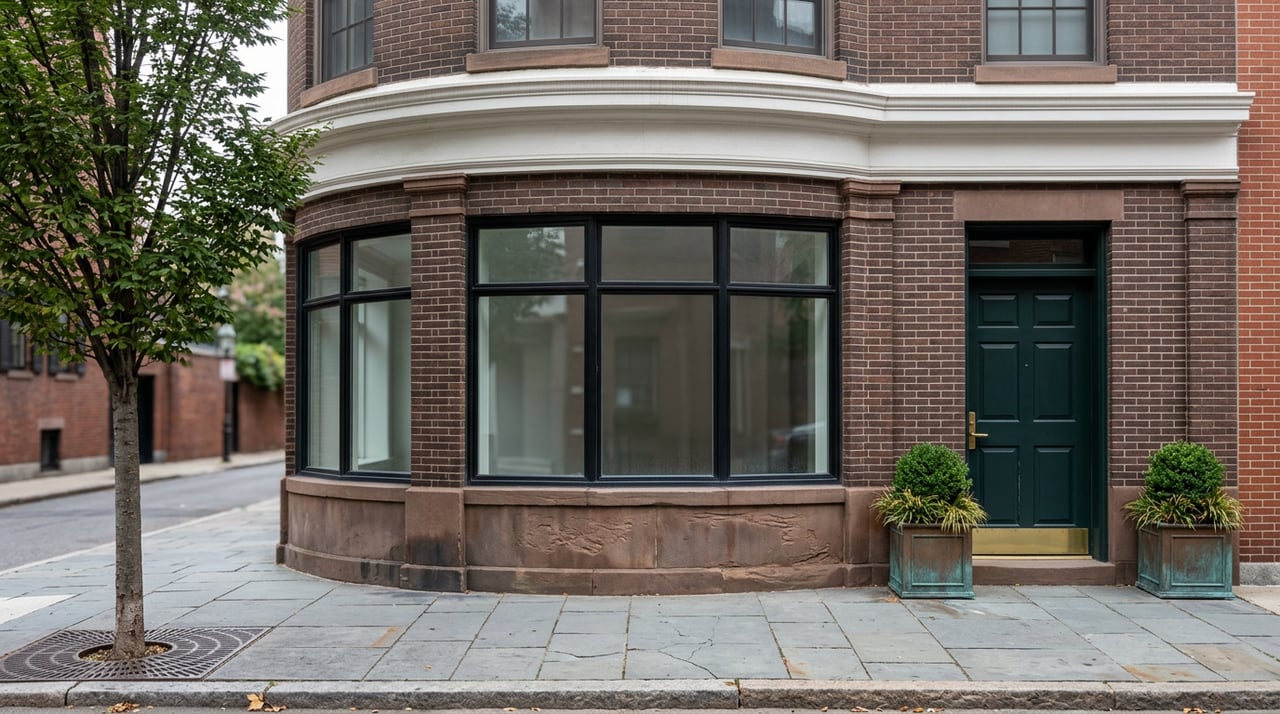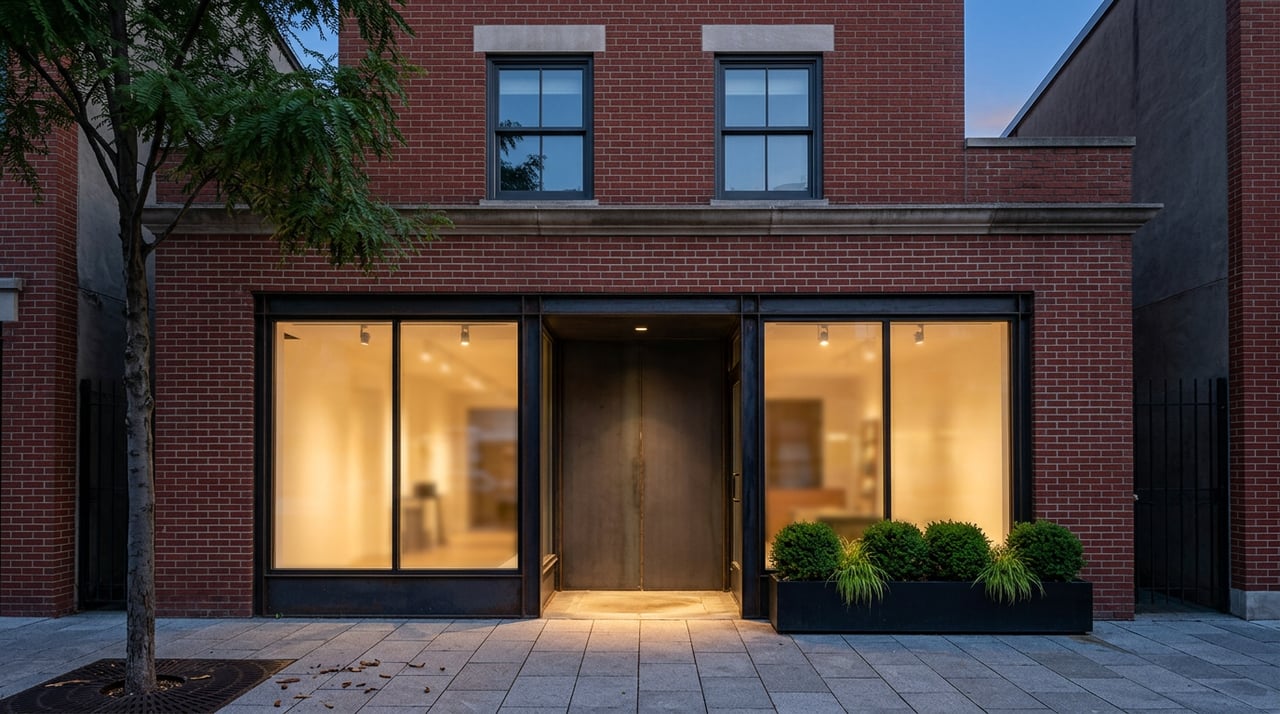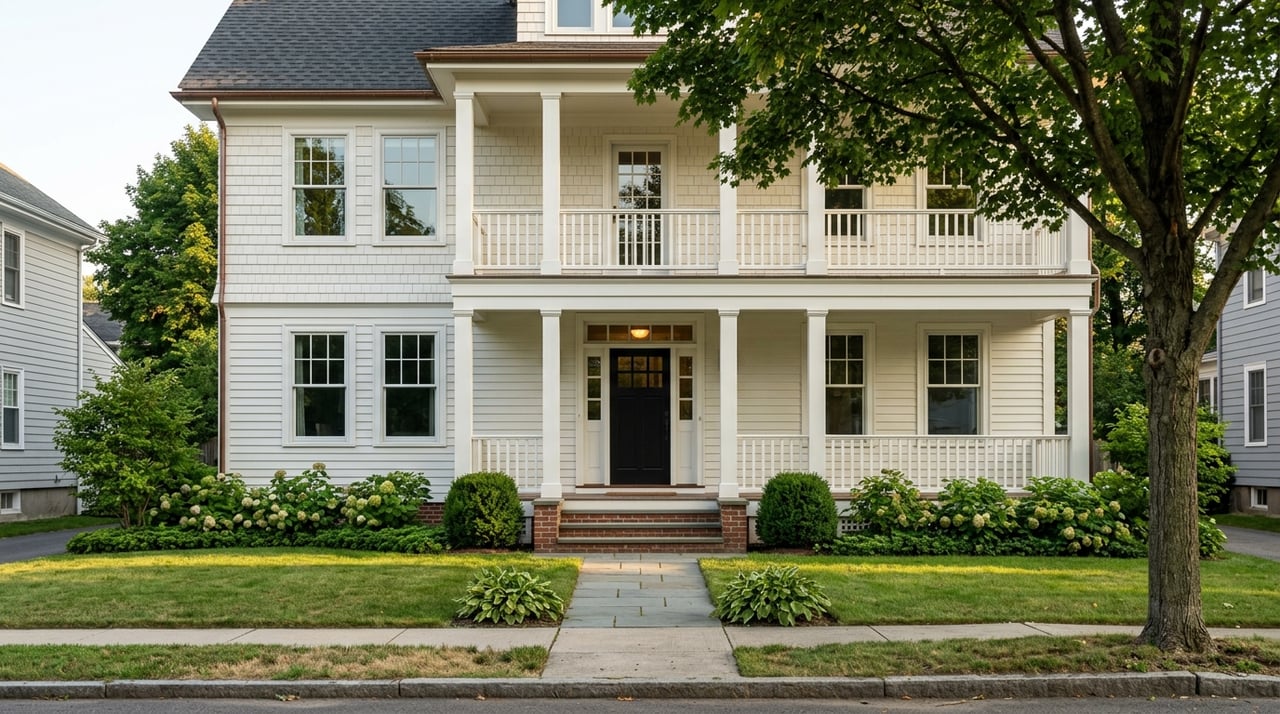
If you are trying to choose between a single-family home and an owner-occupied two-family in Newton, you are not just picking a house type. You are deciding how you want to live, how you want your monthly costs to work, and how much flexibility you may want later. In a built-out market like Newton, where existing housing choices matter, that decision can shape both your day-to-day life and your long-term strategy. Let’s dive in.
Why this choice matters in Newton
Newton’s housing stock makes this a very local question. According to the city’s housing strategy work, 55.1% of Newton housing units are single-family homes, and 21.3% are in 2- to 3-unit structures. An earlier city market study also found that single- and two-family structures together made up 78% of the housing stock.
That matters because Newton is not a market with endless new supply or easy substitutions. The city describes Newton as mostly built out, and it also notes that residential zoning has not been significantly updated in decades. In practical terms, the home types already on the ground carry extra importance when you are deciding what fits your budget and goals.
Zoning shapes your search
A single-family search is usually broader in Newton than a two-family search. Under Newton’s current zoning ordinance, single-family detached homes are allowed by right in all residential districts. Two-family detached homes, by contrast, are allowed by right only in MR1 through MR4.
For you as a buyer, that means the two-family inventory is more neighborhood-specific from the start. If you want an owner-occupied two-family, your search may be narrower and more selective. If you want the widest range of streets, lot types, and home styles, single-family homes usually give you more options.
Newton price differences at a glance
The local numbers show a meaningful gap between the two property types. Newton’s FY2026 assessment FAQ lists median assessed values of $1,503,500 for single-family homes and $1,213,950 for two-family homes. That puts the typical two-family about 19.3% below the typical single-family by assessed value.
The 2024 sales data shows a similar pattern. The city reported 551 single-family sales with a median price of $1.75 million, compared with 75 multi-family sales, meaning 2- and 3-unit homes combined, with a median price of $1.3 million. That multi-family median sits about 25.7% below the single-family median.
Here is the quick takeaway: in Newton, a two-family may offer a lower entry point than a single-family. At the same time, the sales count for single-family homes is much higher, which points to a deeper resale market for that property type.
Single-family homes: what you gain
For many buyers, a single-family home offers the simplest ownership path. You have the whole building to yourself, more privacy, and no tenant relationship to manage. If your main goal is straightforward homeownership with fewer moving parts, this can be a strong fit.
Newton’s Assessing Department also notes that in the past 5 to 10 years, single-family properties have sold for more than similarly sized two-family properties in the same neighborhood. That does not mean every single-family is the better choice for every buyer. It does mean that the market has often placed a premium on privacy and simpler use.
Single-family homes may be the better match if you value:
- A more private living setup
- Simpler day-to-day ownership
- A broader search across Newton neighborhoods
- A deeper resale market based on sales volume
Two-family homes: what you gain
An owner-occupied two-family can solve a different problem. If you want help with monthly housing costs, a rental unit can offset part of the mortgage. Newton’s Assessing Department specifically notes that two-family homes have become more popular with some buyers because a tenant can help with the mortgage.
There is also a flexibility angle. You may live in one unit and rent the other now, then change how you use the property later depending on your needs. That could mean staying in place longer, adjusting to a different budget, or keeping options open if your household changes.
A two-family may be the better match if you value:
- Rental income to support monthly affordability
- A lower typical price point than many single-family homes
- Long-term flexibility in how the property is used
- A more business-minded approach to homeownership
Financing differences to plan for
This is where the comparison becomes more strategic. Financing is available for both property types, but the structure is not always the same.
For 1- to 4-unit properties, FHA-insured financing is available, and HUD says the minimum required investment is 3.5% in most cases. Fannie Mae’s HomeReady product allows a 3% minimum contribution for two- to four-unit principal residences, while Fannie’s standard borrower-contribution guidance says two- to four-unit principal residences require a 5% minimum contribution from the borrower’s own funds.
Fannie Mae also notes that two- to four-unit principal residence transactions require minimum reserves, while one-unit principal residences do not. It further states that rental income from a 2- to 4-unit primary residence can be used in qualifying, with eligible rents on the subject property reported at loan delivery.
In plain English, a two-family can improve your monthly picture through rent, but it often asks for more upfront planning. You may need to think through:
- Down payment structure
- Cash reserves after closing
- How projected rent affects qualification
- Whether you are comfortable underwriting both housing and income risk
That tradeoff is one of the biggest dividing lines between these choices.
Ownership is not the same experience
The numbers matter, but so does your daily life. A single-family home usually offers a cleaner owner experience because you are focused only on your own space, maintenance, and budget. An owner-occupied two-family adds another layer, because you are also managing a tenant relationship, shared systems, and a property that functions partly as a home and partly as an income-producing asset.
That does not make one better than the other. It simply means your personality and priorities matter. If you want simplicity, the single-family route often wins. If you are comfortable being more hands-on in exchange for cost offset and flexibility, the two-family route can be compelling.
Older housing stock affects both options
No matter which path you choose, condition deserves close attention in Newton. The city’s housing rehabilitation program is open to eligible owners of single- and two-family homes, and Newton’s market study says more than 50% of the city’s housing stock was built before 1940.
That age profile means you should budget carefully for systems and deferred maintenance. Common concerns can include roofs, boilers, electrical work, and other updates. A home that looks move-in ready on the surface may still need meaningful capital planning underneath.
This is one area where a disciplined, numbers-first approach helps. Whether you are comparing a single-family or a two-family, the real question is not just purchase price. It is total ownership cost over time.
A simple Newton rule of thumb
Local data points to a fairly clear framework. In Newton, single-family homes generally favor privacy, simplicity, and a broader search with stronger resale depth. Owner-occupied two-families generally favor monthly cost offset and future flexibility, but with more landlord-style responsibility and a narrower inventory pool.
The city’s own assessment commentary supports that logic. Single-family homes have tended to command higher prices than similarly sized two-families in the same neighborhood, though the gap has narrowed in recent years as some buyers place more value on rental income.
So which is better for you?
Choose a single-family if your priorities are:
- Privacy
- Simpler ownership
- Less management responsibility
- Broader Newton inventory
- A more traditional resale path
Choose an owner-occupied two-family if your priorities are:
- Lower typical entry price
- Rental income support
- Long-term flexibility
- A more analytical, income-aware buying strategy
- Comfort with hands-on ownership
The best choice depends on your strategy
In Newton, this is not just a lifestyle choice. It is also a balance-sheet choice. The right answer depends on how you weigh privacy, cash flow, flexibility, and the amount of complexity you want to take on.
That is why it helps to look beyond the listing photos and ask sharper questions about zoning, financing, condition, and resale. If you want a clear-eyed view of how a Newton single-family or owner-occupied two-family fits your goals, John Maxfield can help you evaluate the numbers and the property with a practical, local strategy.
FAQs
What is the price difference between single-family and two-family homes in Newton?
- Newton’s FY2026 assessment data lists median assessed values of $1,503,500 for single-family homes and $1,213,950 for two-family homes, making the typical two-family about 19.3% lower.
Are two-family homes harder to find in Newton?
- Yes. Newton allows single-family detached homes by right in all residential districts, while two-family detached homes are allowed by right only in MR1 through MR4, which makes the search more location-specific.
Can rental income from a Newton two-family help you qualify for a mortgage?
- Yes. Fannie Mae says rental income from a 2- to 4-unit primary residence can be used in qualifying, but these purchases also typically require more reserve planning than a one-unit home.
Is a Newton single-family easier to resell than a two-family?
- Newton’s 2024 sales data showed 551 single-family sales versus 75 multi-family sales, suggesting a deeper resale market for single-family homes.
Do older Newton homes need more repair budgeting?
- Often, yes. Newton says more than 50% of its housing stock was built before 1940, so buyers of both single-family and two-family homes should plan for possible updates to roofs, boilers, electrical systems, and other major components.