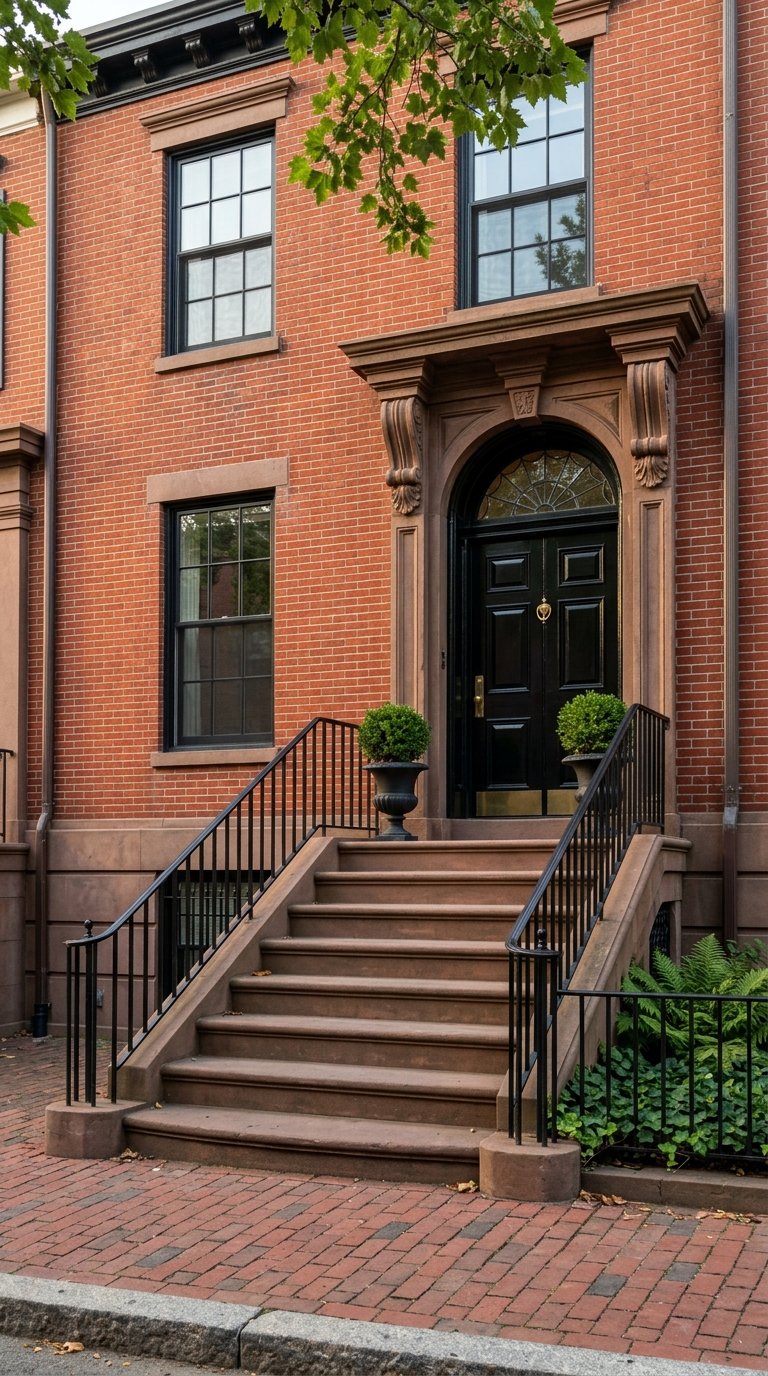
Looking at a Beacon Hill rowhouse from the sidewalk, it is easy to think you are seeing one timeless style. In reality, the neighborhood is a carefully preserved mix of building eras, exterior details, and floor plans that developed over much of the nineteenth century. If you are buying, selling, or simply trying to understand what gives these homes their lasting appeal, it helps to know what you are really looking at. Let’s dive in.
Why Beacon Hill Architecture Stands Out
Beacon Hill is one of Boston’s most protected historic areas. The Historic Beacon Hill District was established in 1955 and later expanded several times, and Boston describes it as a district where exterior work visible from a public way is reviewed by the Beacon Hill Architectural Commission.
That matters because Beacon Hill’s character is not just old, it is actively preserved. The neighborhood developed after the Massachusetts State House was completed in 1798, and its building stock now reflects a predominantly nineteenth-century streetscape with Federal, Greek Revival, Italianate, Queen Anne, and later Colonial Revival influences.
For many buyers, the word “brownstone” gets used as a catch-all. In Beacon Hill, that usually points to the neighborhood’s broader brick-and-stone rowhouse fabric rather than a facade made entirely of brownstone. The look you recognize comes from the full streetscape, not just one material.
What Defines a Beacon Hill Rowhouse
Tight, Uniform Street Presence
One of the first things you notice in Beacon Hill is how closely the buildings meet the street. Narrow brick sidewalks, facades set right along the sidewalk, and rows of attached homes create a strong sense of visual continuity.
You also see small courtyards, window boxes, compact hedges, and decorative iron fences. Together, these details make the neighborhood feel cohesive and highly recognizable, even when individual buildings differ in age or style.
Brick, Stone, and Ironwork
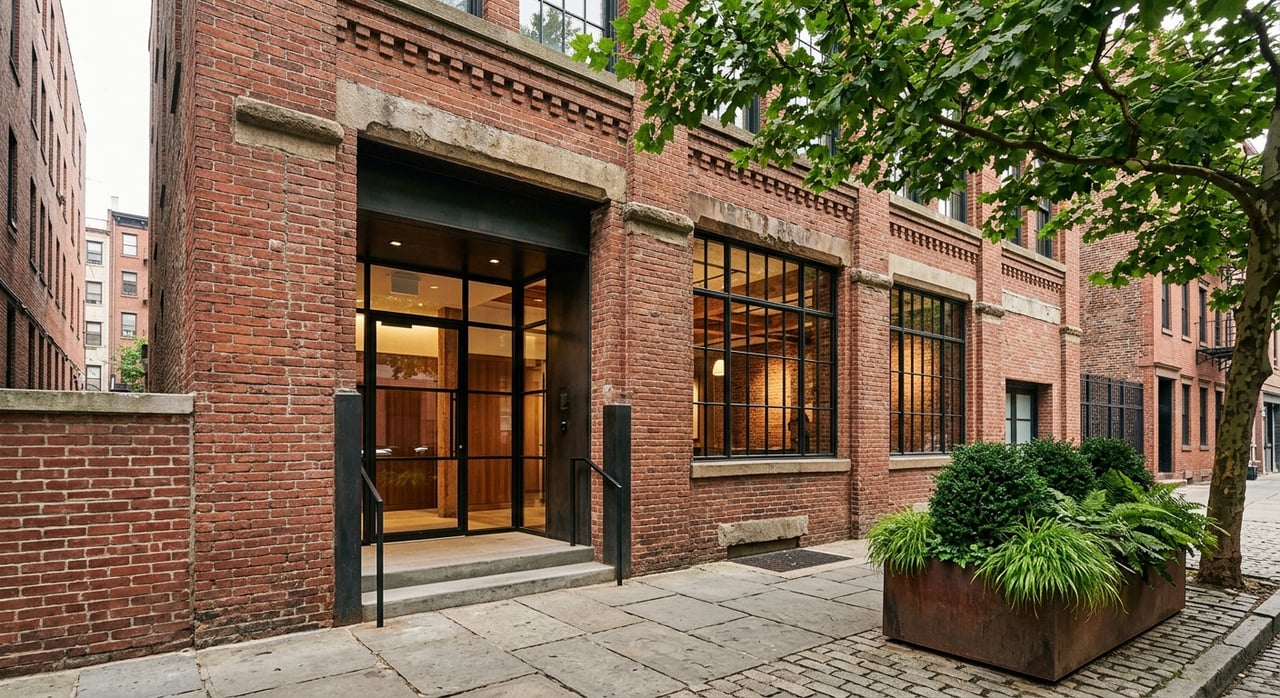
Beacon Hill rowhouses are best understood as a composition of materials. Brick facades, stone trim, and decorative ironwork all play a major role in the look of the block.
The Beacon Hill Architectural Commission treats these materials as character-defining features. That includes elements such as cornices, lintels, sills, bay windows, balconies, grilles, lamp brackets, scrapers, and handrails.
Windows and Doors Matter
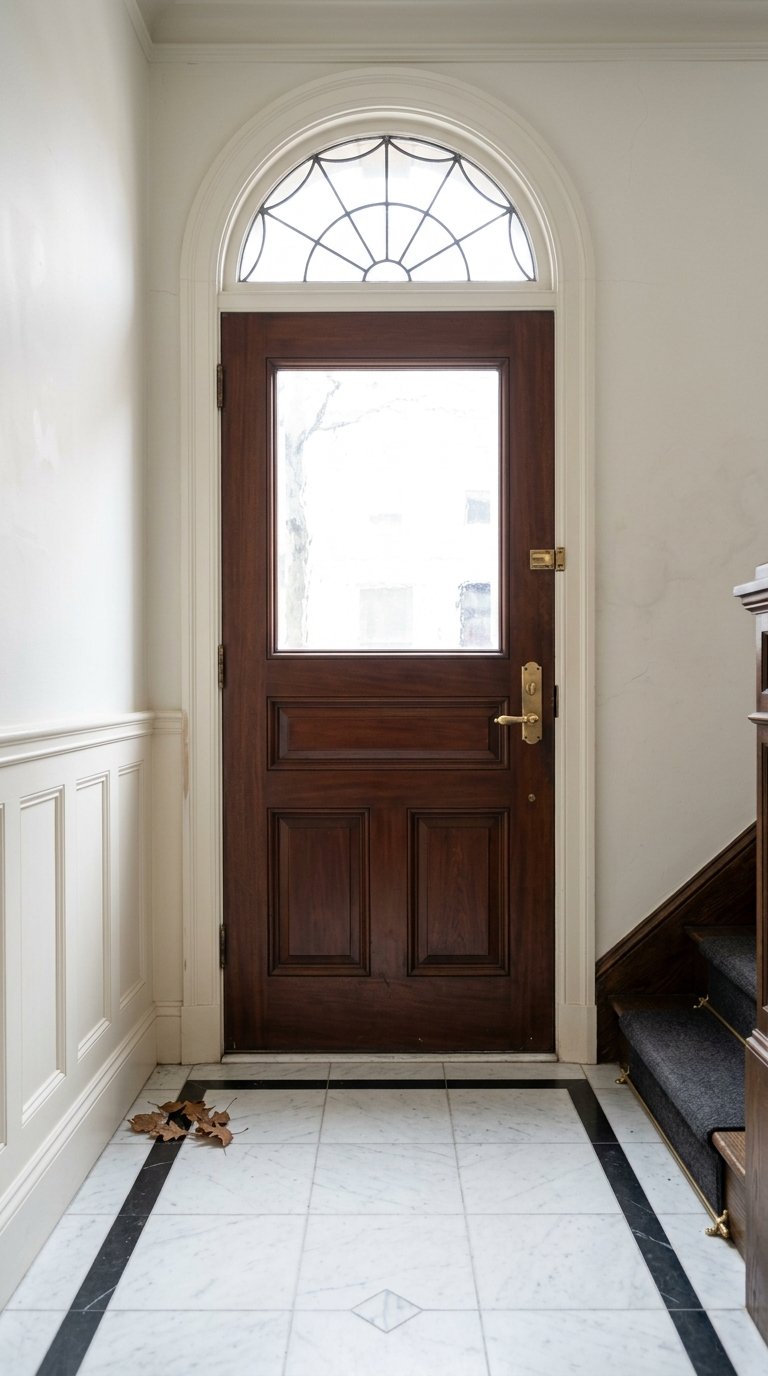
In Beacon Hill, small exterior details carry a lot of visual weight. Original sash windows, frames, surrounds, shutters, transoms, fanlights, sidelights, and hardware are all part of the historic identity of a home.
Doors matter just as much. The local guidelines call for paneled doors that are proportionate to the existing surround, which helps preserve the rhythm and scale of each facade.
Rooflines Complete the Look
The skyline is part of the architecture too. Original rooflines, dormers, chimneys, parapets, end walls, and firewalls are expected to remain in place under local guidelines.
That is one reason Beacon Hill feels so visually intact from the street. Even changes high above eye level can affect the historic character of the block.
How Styles Changed Over Time
Early Houses and Formal Layouts
Early Beacon Hill houses were often designed around formal entertaining and service circulation. Historic research shows that in the early nineteenth century, many homes separated guest spaces from service areas, with secondary stairs linking the cellar, attic, or principal floors.
That means some older homes were built with a very deliberate sense of hierarchy. Public rooms were meant to impress, while work areas stayed largely out of sight.
Mid-Nineteenth-Century Rowhouse Plans
By the 1830s and 1840s, narrower three-bay rowhouses became more common. These homes could still include double parlors, often arranged as two heated rooms from front to back alongside a long passage.
For today’s buyer, this helps explain why some Beacon Hill homes feel elegant but compact. You may be looking at a formal historic layout that was designed to make efficient use of a narrow footprint.
Later Homes and Conversions
Beacon Hill did not develop in one single wave. Some earlier mansions were later replaced by rows of smaller houses in the 1830s and 1840s, which added another layer to the neighborhood’s housing mix.
Later examples also show how varied the floor plans became. A late nineteenth-century rowhouse like 13 Anderson Street, built in 1899, reflects a more vertical and segmented arrangement with four floors and four units, showing how adaptable many Beacon Hill buildings became over time.
What Buyers Often Notice Inside
While exterior preservation shapes the neighborhood’s image, interior layouts can vary quite a bit from one property to the next. That is important if you are shopping in Beacon Hill and trying to compare homes that may look similar from the street.
Some rowhouse condos highlight exposed beams, period fireplaces, wide-plank floors, and high ceilings. Others pair historic features with more updated layouts, such as open kitchen and living areas, duplex configurations, or access to courtyards and roof decks.
You may also find homes with oversized windows, multiple entrances, spiral stairs, service entries, or private outdoor space. In other words, “classic Beacon Hill style” can describe a shared architectural setting, but not one fixed interior experience.
What Ownership Looks Like in Practice
Exterior Changes Face Review
If you own in Beacon Hill, the historic shell is a major part of the value and appeal. It also comes with a local review process.
Boston’s guidelines state that exterior work visible from a public way goes through Beacon Hill Architectural Commission review, and owners are told not to begin work or buy materials before approval is in hand. For buyers, that is a practical part of due diligence, not just a fine-print issue.
Masonry Needs Specialized Care
Masonry work in Beacon Hill is more specialized than in many other condo or townhouse settings. The local guidelines discourage sandblasting, discourage water-repellent coatings, and state that masonry facades generally should not be painted.
For brownstone repairs, replacement material may need to match the original composition, appearance, and texture. That can affect both project scope and cost, so it is worth understanding early if you are evaluating condition or planning future work.
Windows, Doors, and Trim Are Not Minor Details
In many homes, buyers focus first on kitchens and baths. In Beacon Hill, exterior windows, doors, and trim deserve just as much attention because they are closely tied to local preservation rules.
The guidelines say historic sash and related features should be retained when possible, and vinyl-clad sash and simulated muntins are not permitted. Replacement decisions are often more exacting here than in non-historic areas of Boston.
Roofline Changes Are Limited
Roof decks and deck enclosures visible from a public way are considered inappropriate under the local guidelines. New roof access structures should also be low-profile and not visible from the street.
That makes roof-related improvements a key topic to evaluate before you buy. A feature that seems simple elsewhere may require a very different path in Beacon Hill.
Why This Matters for Buyers and Sellers
For buyers, understanding Beacon Hill architecture helps you look past surface charm and evaluate what a property truly offers. Two homes may share the same historic streetscape but differ in layout, flexibility, maintenance needs, and renovation constraints.
For sellers, this knowledge helps position a home more accurately. Original detail, intact exterior elements, and a well-understood relationship between historic character and modern updates can all shape how buyers see value.
Beacon Hill rewards careful reading. The architecture is beautiful, but it is also specific, regulated, and varied in ways that matter during a transaction.
If you are weighing a Beacon Hill purchase or preparing to sell a classic rowhouse, a strategic read on style, condition, and long-term implications can make a real difference. That is where experience in Boston’s historic housing stock becomes especially valuable.
When you want practical guidance on how a Beacon Hill property fits the market, reach out to John Maxfield for a thoughtful, numbers-minded conversation.
FAQs
What makes Beacon Hill rowhouses look so distinctive?
- Beacon Hill rowhouses are known for their close street alignment, narrow brick sidewalks, brick-and-stone facades, decorative ironwork, and consistent historic streetscape.
What architectural styles appear in Beacon Hill, Boston?
- The district includes predominantly nineteenth-century buildings with Federal, Greek Revival, Italianate, Queen Anne, and later Colonial Revival influences.
Does Beacon Hill architecture always mean the same floor plan?
- No. Historic research shows Beacon Hill homes range from early formal houses with service circulation to narrower mid-century rowhouses and later multi-floor or converted layouts.
What exterior work in Beacon Hill needs approval?
- Exterior work visible from a public way is reviewed by the Beacon Hill Architectural Commission, and owners are advised not to begin work or purchase materials before approval.
What should buyers know about maintaining a Beacon Hill brownstone or rowhouse?
- Buyers should know that masonry, windows, doors, trim, and roofline elements are treated as important historic features, and repairs or replacements often need to follow detailed local guidelines.