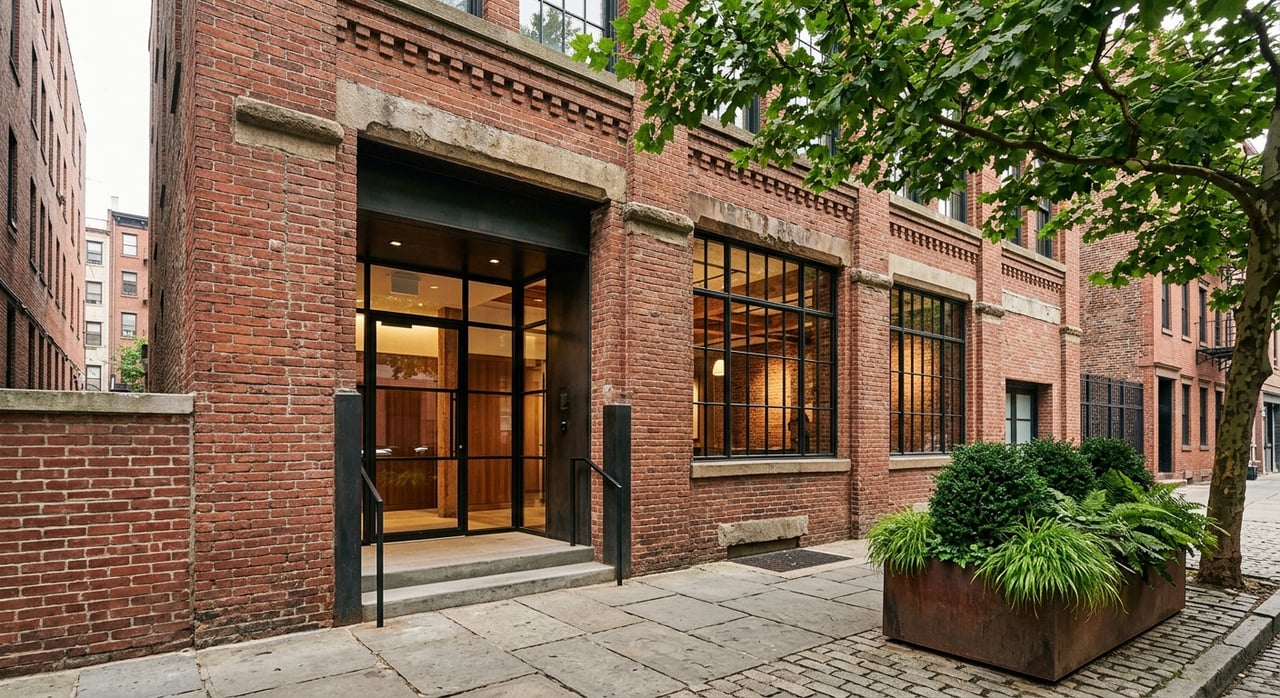
If you are drawn to classic Boston architecture but want a neighborhood that feels lively day to day, the South End stands out fast. You get historic rowhouse streets, newer loft-style homes, small parks woven into the blocks, and some of the city’s most active dining and arts corridors. For buyers and sellers alike, the appeal is real, but so are the details that shape value and daily life. Let’s dive in.
What defines South End living
The South End sits just south of Back Bay and is recognized by the City of Boston and the Boston Planning & Development Agency as one of Boston’s signature historic neighborhoods. Built on filled tidal flats in the mid-1800s, it still carries that historic framework today through Victorian rowhouses, intimate green spaces, and active commercial streets.
What makes the neighborhood especially compelling is its contrast. You can move from elegant brownstone blocks to loft-style buildings and mixed-use corridors within a short walk, then end up at a pocket park, a restaurant, or an artist studio. That layered character is a big part of what gives the South End its staying power.
Brownstones shape the neighborhood
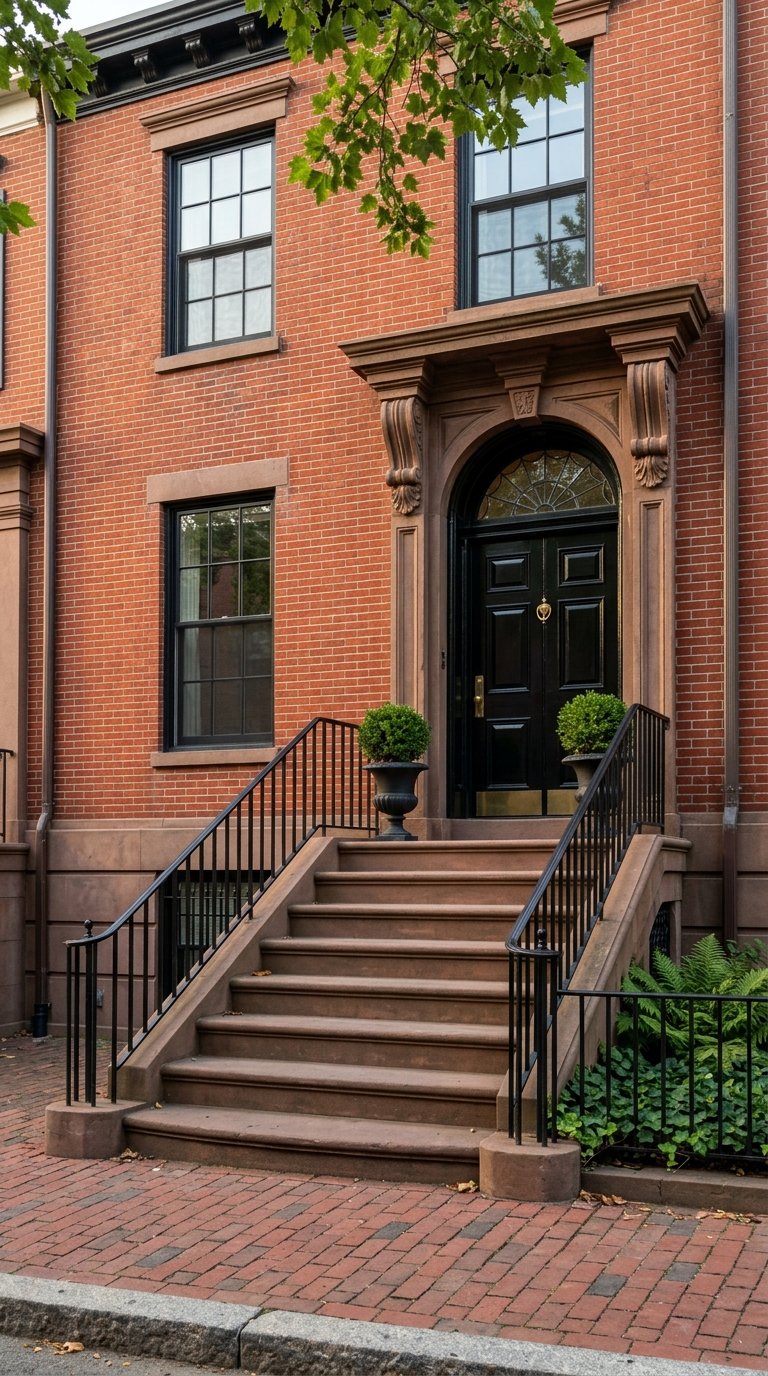
For many people, the South End begins with its historic brownstones. The South End Landmark District is known for its cohesive 19th-century Victorian red-brick rowhouses, along with institutional and commercial buildings integrated into the street grid.
The strongest concentration of these classic homes is around Tremont Street, Columbus Avenue, and Massachusetts Avenue. The City identifies these streets as part of the setting for the neighborhood’s well-known Victorian brownstones, and they remain central to the South End’s visual identity.
For buyers, these homes often offer the architectural details that define old Boston living. For sellers, they carry a distinct market position because architecture, block appeal, and condition can all influence how a property is perceived.
Landmark rules matter
If a property is within the South End Landmark District, exterior alterations are subject to review. That includes façade changes, visible roof work, and other updates that go beyond ordinary maintenance.
This matters on both sides of a transaction. If you are buying, it is smart to understand how future exterior work may affect your plans and budget. If you are selling, it is worth checking district rules before starting pre-listing improvements, since not every exterior project is treated like a simple upgrade.
Lofts and newer homes add range
The South End is not only a brownstone neighborhood. BPDA describes it as a mix of historic brick townhomes and publicly funded housing, and the 2025 neighborhood profile shows 1,607 net new housing units were completed from 2020 to 2025.
Much of the more contemporary or loft-like housing is concentrated around Harrison Avenue, Albany Street, and the Harrison-Albany corridor near the neighborhood’s eastern edge. That area has been a long-running redevelopment focus, and projects such as Ink Block helped reinforce a pattern of mixed-use growth and newer housing choices.
In practical terms, that gives buyers more than one version of South End living. If you prefer a classic parlor-level brownstone feel, the historic residential grid may be the draw. If you want newer finishes, elevator buildings, or a loft-style layout, the Harrison and Albany side of the neighborhood may deserve a closer look.
A market with many smaller homes
The South End housing stock leans toward smaller homes. In the 2025 neighborhood profile, 47.3% of units were studio or one-bedroom homes, while 36.8% were two-bedroom units.
That smaller-unit mix helps explain the neighborhood’s urban feel. It also shapes what buyers should expect when comparing space, layout, and price across different property types.
The same profile shows that 61.2% of units were renter-occupied in 2025. For market-rate two-bedroom apartments, the median asking rent was $4,000 in 2024.
For anyone evaluating a purchase here, numbers like these help frame demand and competition. For sellers, they also reinforce how important pricing discipline is in a neighborhood where buyers often compare charm, location, and usability very closely.
Small parks create daily rhythm
One of the South End’s most appealing qualities is how open space is spread throughout the neighborhood. Rather than relying on one major park, the area is shaped by many smaller green spaces that create pauses between residential and commercial blocks.
Boston lists nearly 30 parks in the South End. Among them are Blackstone Square, Franklin Square, Peters Park, Concord Square, Braddock Park, O’Day Playground, and Ringgold Park.
The feel of these spaces varies. The City describes Blackstone Square and Franklin Square as classically designed open spaces, while Peters Park includes a dog park, tennis courts, basketball, and an athletic field.
That mix supports a very local pattern of living. You are rarely far from a small green space, and those parks help soften the density that comes with city living.
The Southwest Corridor adds mobility
The Southwest Corridor Path is one of the neighborhood’s most important green links. BPDA notes that it was built over the depressed Orange Line train, which means it is both open space and a transportation connection.
That dual role is useful in daily life. Whether you are walking, biking, or simply moving through the neighborhood without a car, the corridor helps connect the South End to the larger city.
Dining and retail bring local flavor
The South End’s street life is one of its biggest strengths. You are not just buying a home here. You are buying into a neighborhood where dining, retail, and everyday walking routes are part of the appeal.
The City identifies Tremont Street as Restaurant Row, while Shawmut Avenue is described as a tree-lined street filled with boutiques and restaurants. BPDA also notes that restaurants, bars, galleries, and boutiques line Tremont and Washington Streets.
That commercial activity helps the South End feel active without losing its residential identity. Washington Gateway Main Streets supports local small businesses, which adds to the neighborhood’s block-by-block variety.
SoWa anchors the arts scene
Harrison Avenue tells another part of the South End story. SoWa Boston describes the district as an art-and-design area with restaurants, artist studios, galleries, home décor showrooms, and fashion boutiques in reclaimed industrial warehouse buildings.
The concentration is notable. SoWa says there are more than 20 galleries within a two-block radius at 450 and 460 Harrison Avenue, and the SoWa Open Market features more than 250 local and regional artisans, food vendors, farmers, and live music.
Recurring events also reinforce that identity. The SoWa Artists Guild hosts First Friday and Sunday open studios centered at 450 Harrison Avenue, while the Boston Center for the Arts is based in the historic South End and provides studio residency space to more than 50 artists each year.
Together, these places give the neighborhood a creative edge that feels tied to the built environment. The warehouse-to-arts evolution is part of what makes the eastern side of the South End feel distinct from the brownstone core.
Transit and walkability are major advantages
For many buyers, the South End’s location is one of the strongest reasons to consider it. The neighborhood is minutes from Downtown and Back Bay, and Back Bay Station sits directly at the border of the South End and Back Bay.
That central position supports a lifestyle built around convenience. You can stay close to major destinations without living in the most intensely downtown setting.
Washington Street is served by MBTA bus routes including Silver Line routes 4 and 5. The neighborhood’s walkability data also stands out: in the 2025 profile, 29.6% of resident workers walked to work, 17.4% used public transit, and 37.6% of households had no vehicle.
Those numbers help explain the neighborhood’s appeal to people who want a car-light routine. If your priorities include access, walkability, and day-to-day flexibility, the South End checks many of the right boxes.
What buyers should watch closely
If you are shopping in the South End, it helps to think beyond style alone. Brownstones, lofts, and newer condos can deliver very different living experiences, even within the same neighborhood.
A few practical questions can help you compare options:
- Do you want historic character or a more modern layout?
- How important is elevator access or newer building systems?
- Are you comfortable with the review process tied to landmark district exterior work?
- Do you want to be closer to Restaurant Row and classic squares, or nearer to SoWa and the Harrison-Albany corridor?
- Is a car-light lifestyle part of your plan?
This is where local context matters. In a neighborhood with distinct housing types and strong block-to-block variation, value is rarely just about square footage.
What sellers should keep in mind
For sellers, the South End rewards careful preparation. Buyers tend to pay attention to architecture, layout, finishes, and exact location within the neighborhood, so positioning your property well matters.
If your home falls within the landmark district, exterior work should be reviewed before any pre-listing project begins. That step can help you avoid wasted time or improvements that do not align with district standards.
It also helps to understand your home in context. A historic brownstone, a loft-style condo, and a newer unit may each attract different buyers, so pricing and marketing strategy should reflect how your property fits the South End’s wider housing mix.
Why the South End keeps its appeal
The South End works because it offers more than one kind of city living. You have the architectural gravitas of Victorian rowhouses, the flexibility of newer and loft-style homes, a network of small parks, and commercial streets that stay active through dining, retail, and the arts.
That combination is hard to replicate. It gives the neighborhood both visual identity and everyday usefulness, which is a big reason it continues to attract attention from buyers and remain distinctive within Boston.
If you are thinking about buying or selling in the South End, a strategy-led approach can make a real difference, especially in a neighborhood where property type, location, and long-term value are so closely tied together. To talk through your next move with a broker who knows Boston’s historic and evolving neighborhoods, connect with John Maxfield.
FAQs
What types of homes are common in Boston’s South End?
- The South End is known for Victorian red-brick brownstones, especially near Tremont Street, Columbus Avenue, and Massachusetts Avenue, along with loft-style and newer housing around Harrison Avenue, Albany Street, and the Harrison-Albany corridor.
What should buyers know about the South End Landmark District?
- In the South End Landmark District, exterior alterations such as façade changes and visible roof work require review, so buyers should factor those rules into renovation plans and budgeting.
What is the park and open-space layout like in the South End?
- The South End has nearly 30 parks, including Blackstone Square, Franklin Square, and Peters Park, giving the neighborhood a pattern of many smaller green spaces instead of one large central park.
Where are the main dining and shopping streets in the South End?
- Tremont Street is known as Restaurant Row, Shawmut Avenue is lined with boutiques and restaurants, and Tremont and Washington Streets are key corridors for restaurants, bars, galleries, and shops.
What makes SoWa important to the South End?
- SoWa is a major arts and design district in the South End, with galleries, artist studios, showrooms, boutiques, and recurring events like the SoWa Open Market and open studio days.
How walkable is the South End for Boston buyers?
- The South End is highly walkable, with 29.6% of resident workers walking to work, 17.4% using public transit, and 37.6% of households having no vehicle in the 2025 neighborhood profile.