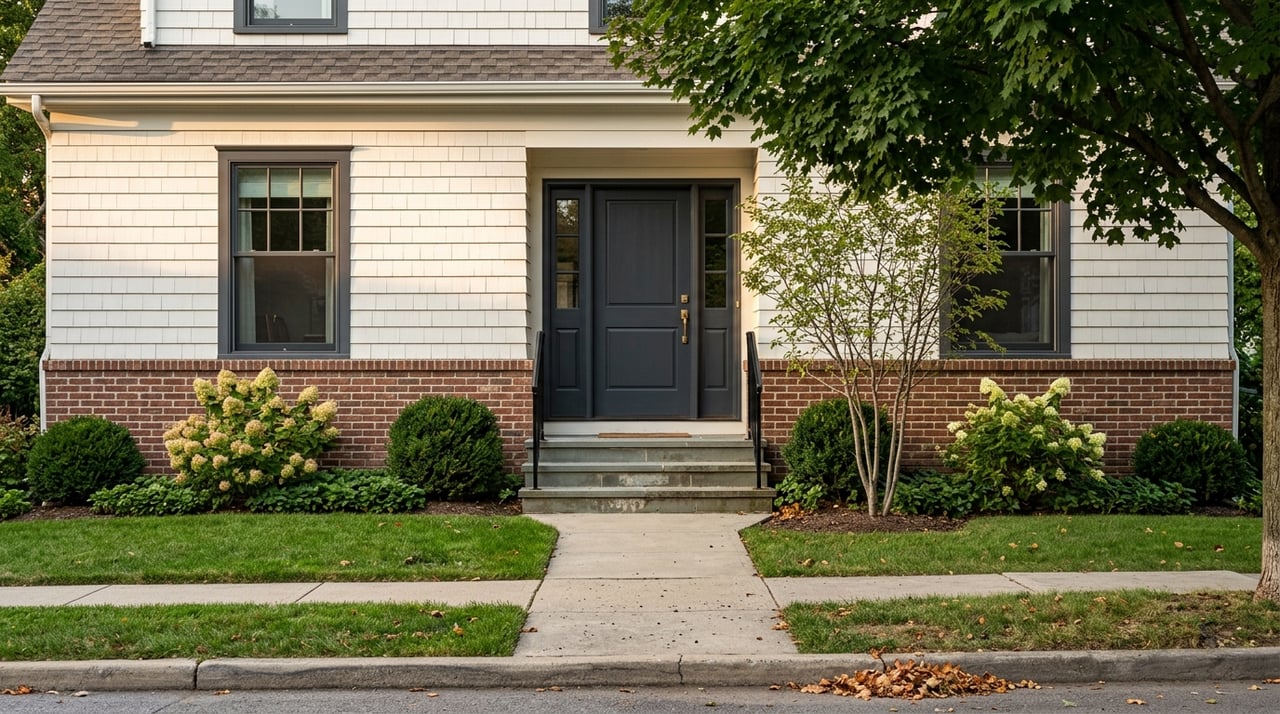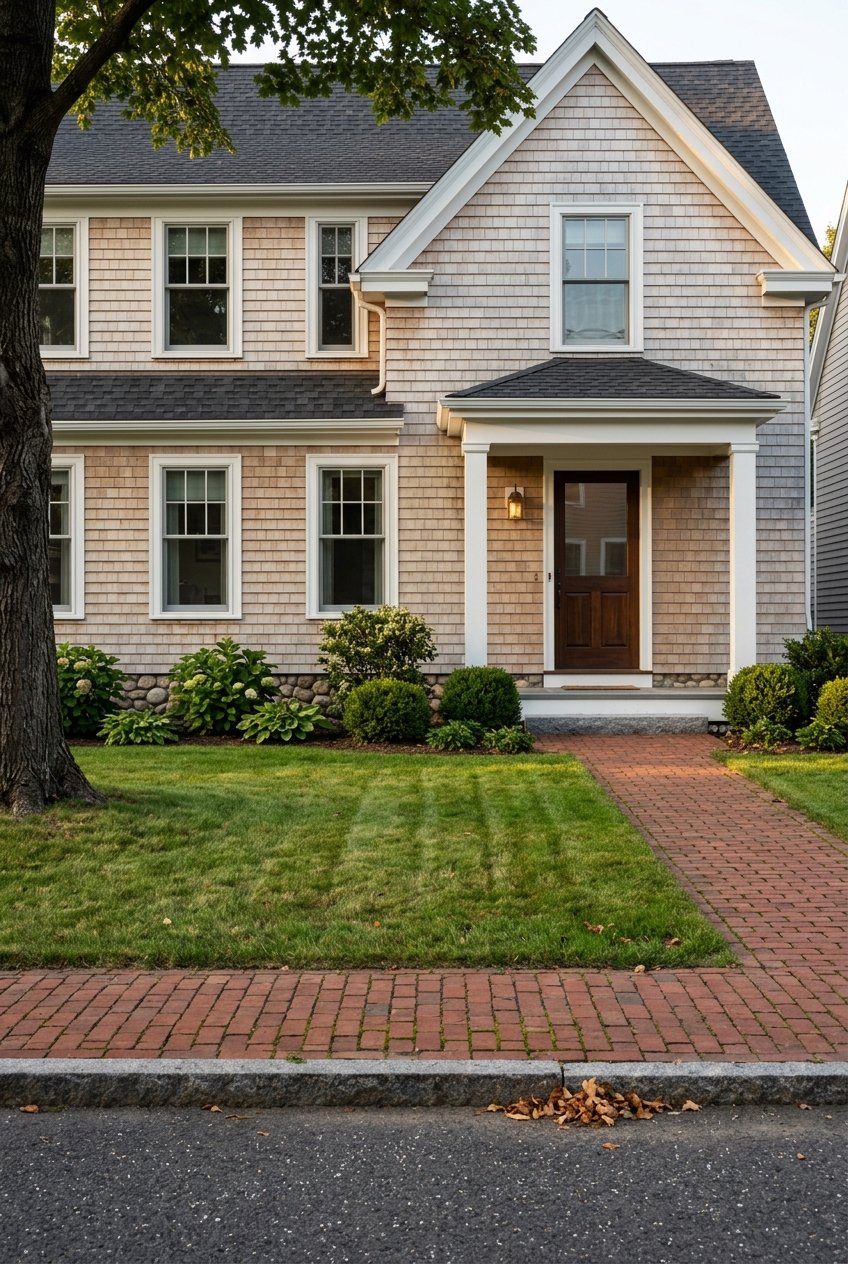
Trying to choose between Newton and Brookline? You are not alone. Both communities offer strong transit access, older housing stock, and close-in convenience to Boston, but they can feel very different once you look at housing, daily routines, and price points. If you are weighing where your budget and lifestyle fit best, this guide will help you compare the facts and think through what matters most to you. Let’s dive in.
Newton vs Brookline at a glance
Newton and Brookline are both established, high-cost markets just outside Boston, but they tend to suit different priorities. Based on local housing, planning, and transit data, Newton reads more like a village-based suburban city, while Brookline is generally denser and more centered around transit-oriented commercial areas.
That difference matters because your day-to-day experience can change a lot depending on where you buy. If you want more space and a stronger single-family presence, Newton may stand out. If you want a more compact, walk-and-transit-oriented setting, Brookline may feel like the better match.
Housing options look different
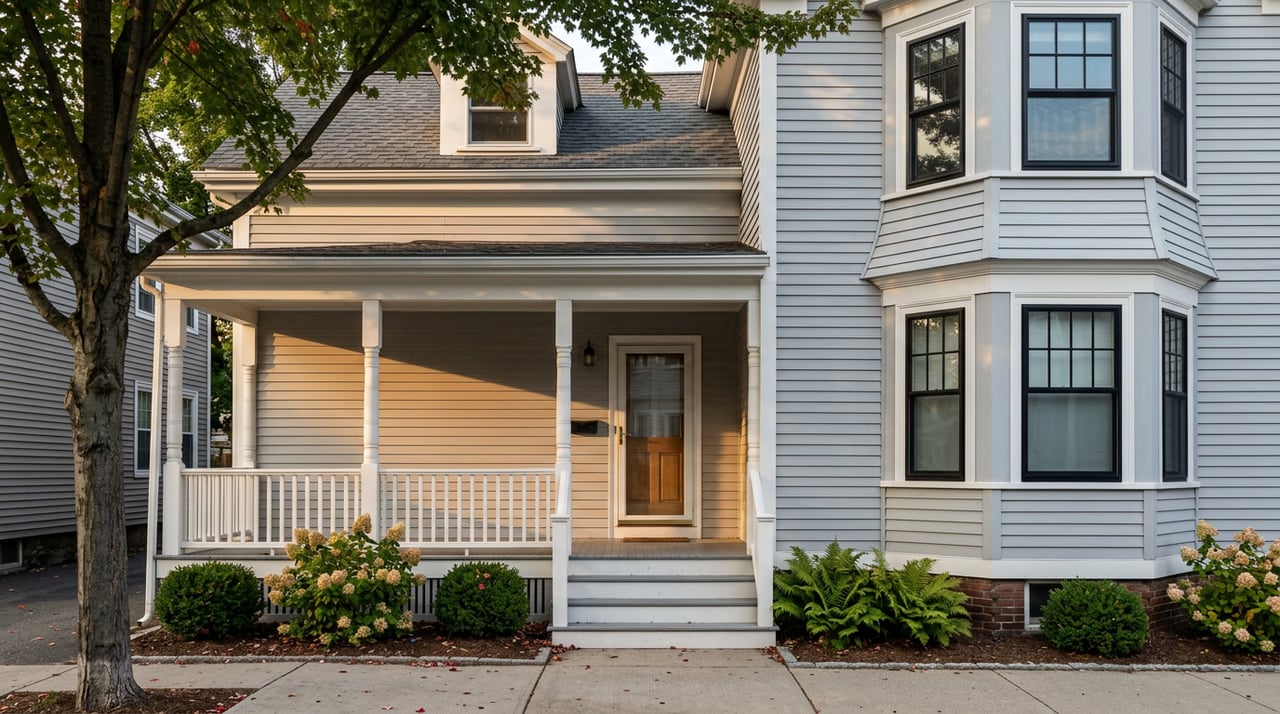
Newton has more single-family homes
If your search starts with single-family housing, Newton has the stronger edge. According to a City of Newton housing snapshot, the city counted 33,054 total housing units in 2020, including 17,184 single-family homes. A later city housing analysis also describes single-family housing as Newton’s primary housing type, with more than 55% of the city’s 30,856 housing units in that category.
Owner occupancy is also higher in Newton. The same city-linked data notes an owner-occupied housing rate of 70.0%, which supports the picture of a more ownership-heavy market.
Brookline offers more multifamily variety
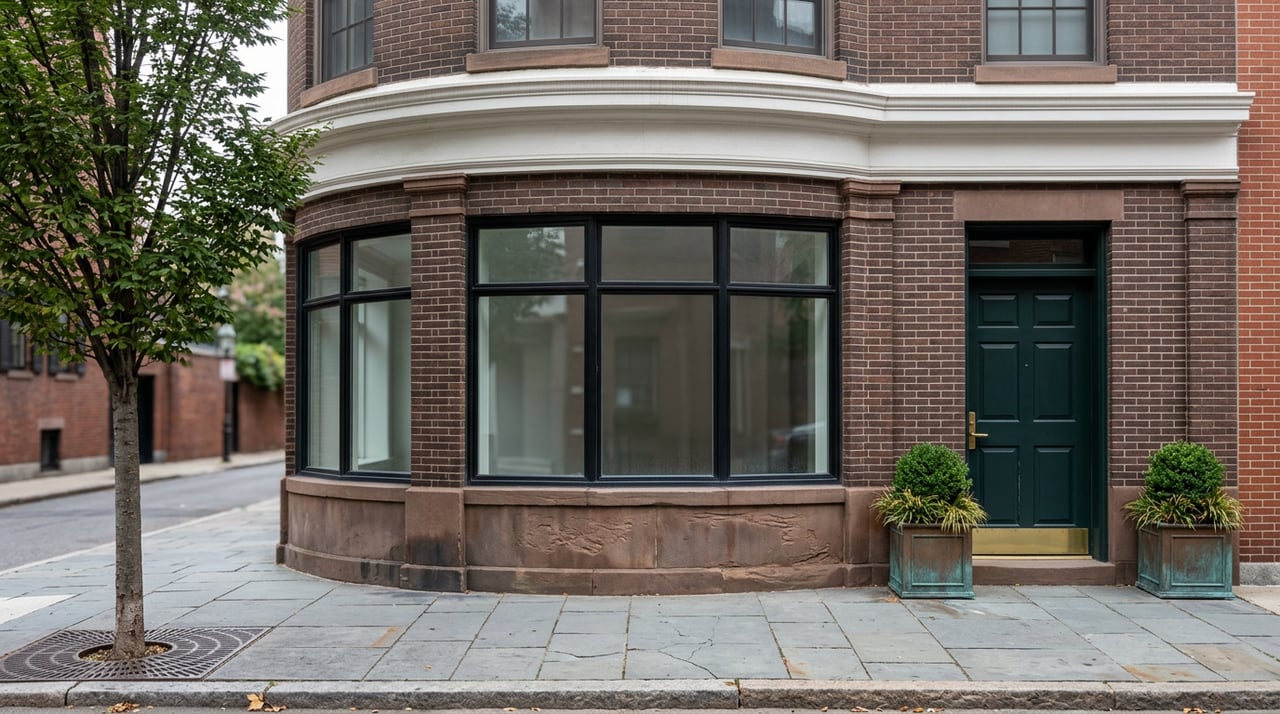
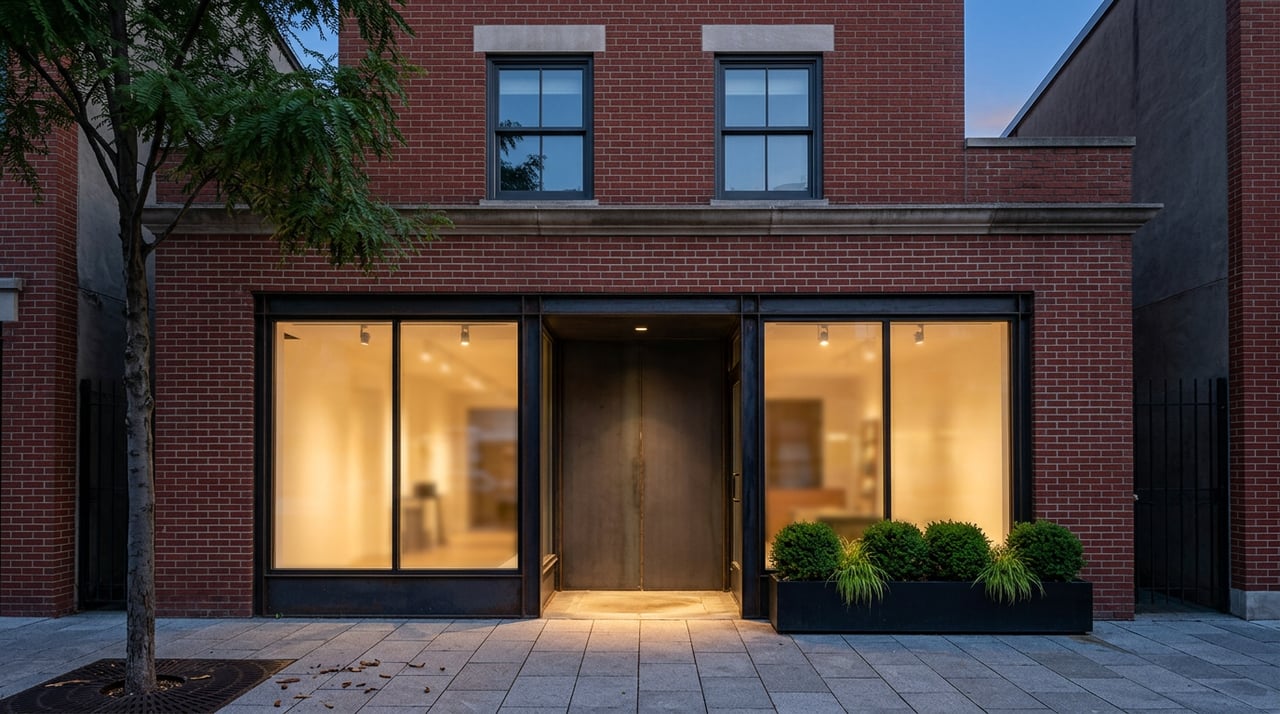
Brookline’s housing mix is broader if you are considering condos or multifamily-style living. The town’s 2024 renters report says Brookline has about 28,000 residential units in 17,900 buildings, including large numbers of two-family and three-family properties.
Brookline’s owner-occupied rate is 46.9%, which is much lower than Newton’s. That lower rate lines up with a more renter-heavy and multifamily-oriented market, and the same Census-based information lists Brookline’s median gross rent at $2,835.
Older homes are part of both markets
One thing Newton and Brookline clearly share is older housing stock. In Newton, the city’s climate plan says about 90% of houses were built before 1970, and more than half were built before 1930. In Brookline, the 2024 community health assessment notes that over 85% of homes were built before 1980.
For you, that can be a plus or a challenge, or both. Older homes often bring character, mature surroundings, and architectural detail, but they can also mean more maintenance, renovation planning, and closer review of systems and condition. This is where a careful, numbers-minded approach matters, especially if you are comparing homes that look similar online but differ in upkeep and long-term cost.
Daily feel: village pattern vs compact corridors
Newton is organized around village centers
Newton is known for its 13 distinct villages, which gives the city a more spread-out, neighborhood-within-a-neighborhood feel. The city’s village history and planning materials and its Village Center Overlay District reflect a focus on concentrating housing, commerce, and gathering places near transit and amenities.
That structure can appeal to buyers who want a suburban pattern without giving up local destinations. Depending on where you buy, you may find yourself centered around one village for errands, dining, and transit, while still having a broader residential setting around you.
Brookline feels more compact and transit-linked
Brookline’s commercial life is concentrated around several widely recognized centers, including Coolidge Corner, Brookline Village, Washington Square, St. Mary’s, JFK Crossing, Putterham Circle, and Chestnut Hill. The town also states that these commercial centers benefit from proximity to public transit.
In practical terms, that often creates a more compact feel. If you picture a lifestyle where shops, restaurants, and transit stops are closely tied together, Brookline is generally the more transit-centered choice based on the town’s planning and transportation framework.
Transit and commuting
Newton offers Green Line and commuter rail
Newton has a mixed transit profile that can work well for different commuting patterns. The city’s public transportation page lists Green Line service at Riverside, Woodland, Waban, Eliot, Newton Highlands, Newton Centre, and Chestnut Hill, plus commuter rail stations at Auburndale, West Newton, and Newtonville on the Worcester/Framingham line.
That combination can be especially useful if you want commuter rail access in addition to Green Line options. Newton’s average commute time is 26.6 minutes, according to the same city-linked data.
Brookline is stronger for a transit-first routine
Brookline has denser in-town transit coverage. The town says the Green Line C branch runs along Beacon Street with 12 stops, the D branch serves Brookline with 5 stations, and the B branch is accessible to North Brookline. Bus routes 51, 60, 65, and 66 also serve the town.
Brookline’s average commute time is 27.1 minutes, which is close to Newton’s. Even so, the network description suggests Brookline is generally the stronger fit if you want a more walk-and-transit-first daily routine, especially near key commercial centers.
Cost matters, and Newton is usually higher
Both markets sit firmly in the million-dollar range, so this is less about finding a bargain and more about deciding where your money fits best. Based on the market data reviewed in the research report, Newton generally prices a bit higher than Brookline.
Zillow’s town-level home value data shows Newton at $1,483,224 and Brookline at $1,123,351. The same source shows homes going pending in about 22 days in Newton versus about 60 days in Brookline. The research also notes that Redfin’s February 2026 median sale prices show Newton at $1.5 million and Brookline at $1.325 million.
The exact pricing gap can shift depending on source and timing, but the overall pattern is consistent. Both are expensive, and Newton is usually a little pricier in the current data reviewed.
Which town may fit you better?
Newton may be a better fit if you want:
- More single-family housing options
- A higher owner-occupancy environment
- Access to both Green Line stops and commuter rail stations
- A village-by-village suburban pattern
- More space as part of your home search priorities
Brookline may be a better fit if you want:
- More condos and multifamily housing options
- A denser, more compact feel
- Stronger walk-and-transit potential for daily life
- Commercial centers closely tied to transit
- A market that may offer slightly lower pricing than Newton, depending on property type and location
The smart way to compare Newton and Brookline
When buyers compare these two markets, the real question is usually not which town is better. It is which town better supports how you want to live, commute, and invest your money.
That means looking beyond listing photos and asking a few practical questions:
- How important is single-family housing versus condo living?
- Do you want commuter rail access, Green Line access, or both?
- Are you comfortable with the maintenance profile of older homes?
- Do you want a more village-based suburban layout or a more compact commercial-and-transit pattern?
- How much flexibility do you need in your budget if Newton prices run higher?
A strategic comparison can save you time and sharpen your search. It can also help you avoid overpaying for a location that does not actually support your day-to-day priorities.
If you are deciding between Newton and Brookline, working with an advisor who understands both neighborhood character and deal economics can make the process much clearer. John Maxfield brings a practical, finance-minded approach to helping buyers weigh options, assess value, and move with confidence in competitive Boston-area markets.
FAQs
Which town has more single-family homes, Newton or Brookline?
- Newton has more single-family housing. City housing data says more than 55% of Newton’s housing units are single-family, including 17,184 single-family homes in the 2020 snapshot.
Which town has more condo and multifamily options, Newton or Brookline?
- Brookline generally offers more condo and multifamily-style options, based on its larger share of two-family, three-family, and other small multifamily buildings.
Which town is better for a transit-first lifestyle, Newton or Brookline?
- Brookline is generally the stronger fit for a transit-first routine because of its denser in-town Green Line coverage and commercial areas closely linked to transit.
Which town is better for commuter rail access, Newton or Brookline?
- Newton is the stronger option for commuter rail users because it has stations at Auburndale, West Newton, and Newtonville.
Which town is more expensive, Newton or Brookline?
- Both are high-cost markets, but the research reviewed shows Newton is usually somewhat more expensive than Brookline overall.
Are homes in Newton and Brookline generally older?
- Yes. Both markets have older housing stock, with Newton reporting about 90% of houses built before 1970 and Brookline reporting over 85% of homes built before 1980.