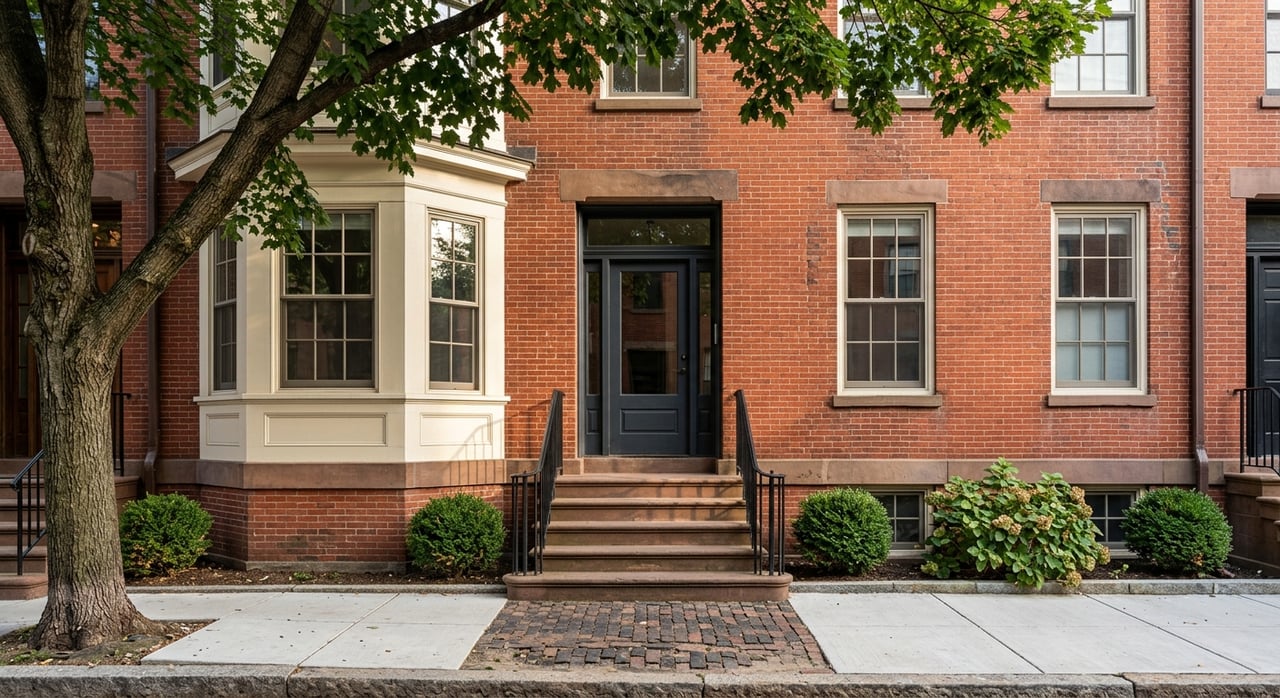
Looking for a neighborhood that feels connected, walkable, and full of everyday convenience without giving up access to Boston? That is exactly why Brookline’s village centers stand out. If you are trying to picture daily life in Brookline, understanding how these compact hubs work can help you see what living here really feels like. Let’s dive in.
Brookline Feels Like a Town of Villages
Brookline is about six square miles and sits roughly four miles from downtown Boston. The town describes itself as a mature suburban residential community with urban characteristics, and that balance shapes daily life in a very specific way.
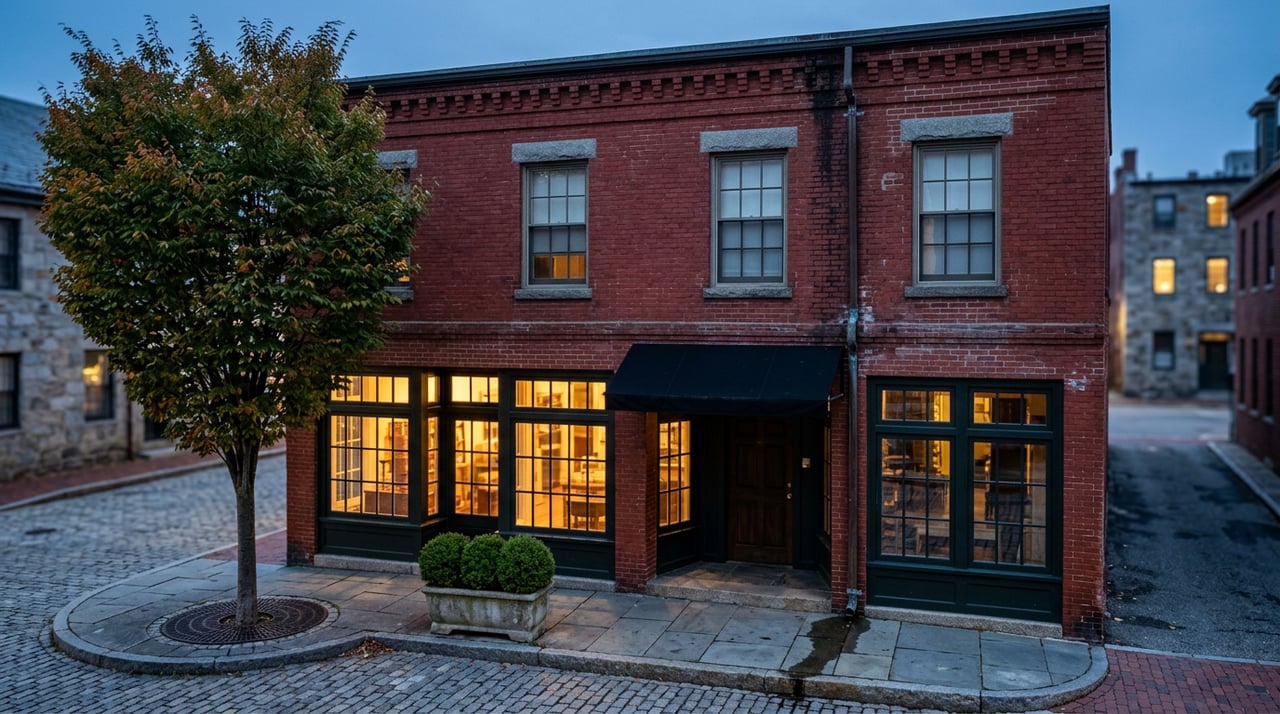
Instead of one large downtown, Brookline is organized around a series of compact village centers. That pattern dates back to the 19th-century streetcar-suburb era, which is a big reason errands, dining, transit, and neighborhood activity tend to cluster around places like Coolidge Corner, Brookline Village, and Washington Square.
Because less than 6% of Brookline’s land is zoned for commercial use, these village centers matter a lot. They are not just shopping districts. They function as shared everyday destinations where you might pick up groceries, meet a friend, run errands, and catch the Green Line all within a short stretch.
What Daily Life Feels Like
Living near one of Brookline’s village centers often means your routine can stay fairly local. You may be able to walk to coffee, personal services, casual dining, parks, the library, or transit without planning your day around a car.
That convenience is one of the biggest draws. The centers feel active, but they are still neighborhood-scaled, which makes them practical rather than overwhelming.
Brookline’s 2024 commercial survey also helps explain the street-level feel. Across the town’s commercial areas, storefronts are mostly small independent businesses, with a mix of service uses, restaurants, retail, and a small share of institutional uses.
In plain terms, that means the villages tend to support real daily routines. They are shaped less by big-box retail and more by the kinds of businesses people use regularly.
Coolidge Corner: Busy and Highly Walkable
Coolidge Corner is one of Brookline’s largest commercial areas, with 212 storefronts in the town’s 2024 survey. It also has the highest concentration of restaurants and retail among Brookline’s village centers, which gives it a lively, all-day feel.
If you live nearby, you are likely to notice how easy it is to stack errands and leisure into one trip. A quick stop for groceries or services can turn into dinner out, a movie, or time spent browsing local shops.
One of the area’s best-known anchors is the Coolidge Corner Theatre. The nonprofit cinema has operated as a movie theater since 1933 and now includes six screens, an education and community engagement center, and more than 900 seats.
That kind of cultural anchor adds a lot to neighborhood life. It gives the area a true center of gravity, not just a retail corridor.
The town also points to sidewalk sales, seasonal parklets, and public-art installations in Coolidge Corner. Together, those features help the streets feel more social and more welcoming for walking, sitting, and spending time outside.
Brookline Village: Historic and Multifaceted
Brookline Village is nearly as large as Coolidge Corner, with 204 storefronts in the 2024 survey. Its commercial mix leans more heavily toward service businesses, which gives it a slightly different rhythm.
For many residents, Brookline Village feels like a place where practical routines and local culture overlap. You can take care of the basics while still feeling connected to a distinct neighborhood identity.
The area has several community anchors that support that feeling. The Brookline Village Community Association organizes the annual Village Fair on Harvard Street, and the Winter Farmer’s Market operates at the Arcade Building from November through June.
Brookline Village also has an expanding arts cluster along Station Street and Washington Street. The town highlights arts studios, ArtsBrookline, Puppet Showplace Theater, Station Street Studios, and Third Thursdays programming as part of the area’s growing street-level activity.
That mix gives Brookline Village a layered feel. It is practical, but it also has a creative and community-oriented side that can make daily life more interesting.
Washington Square: Smaller Scale, Strong Identity
Washington Square is smaller than Coolidge Corner and Brookline Village, but it remains an active part of Brookline’s village-center network. If you prefer a village setting that feels a bit more compact, this area may appeal to you.
The town notes neighborhood improvements such as an 18-foot Victorian clock, benches, flowering planters, and garden areas in the square. Those details may sound small, but they shape how a place feels when you pass through it every day.
In a market like Brookline, small design touches matter. They can make a center feel less like a traffic corridor and more like a shared neighborhood space.
Housing Near the Village Centers
If you want to live near Brookline’s village centers, the housing stock often reflects the town’s transit-linked development pattern. Brookline’s 2024 Housing Plan says single-family districts make up 72% of the town’s land, but most housing is concentrated in Apartment House districts and Two-Family districts near commercial areas and transit corridors.
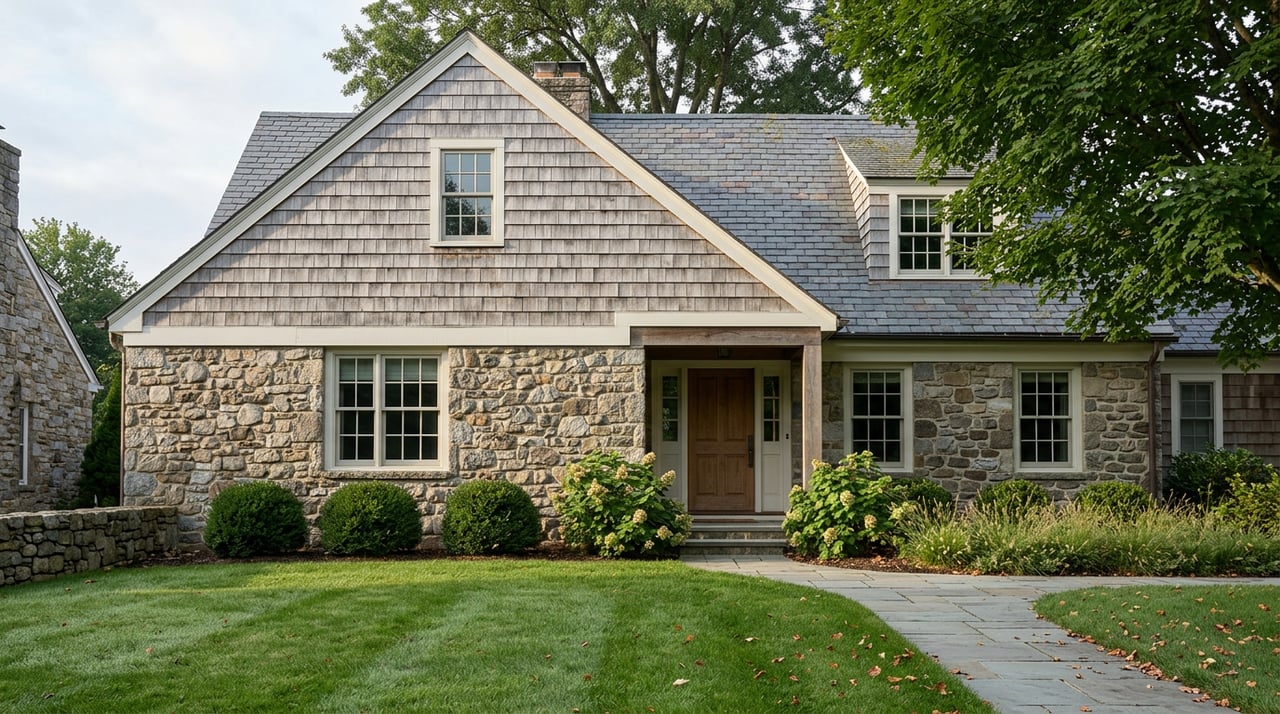
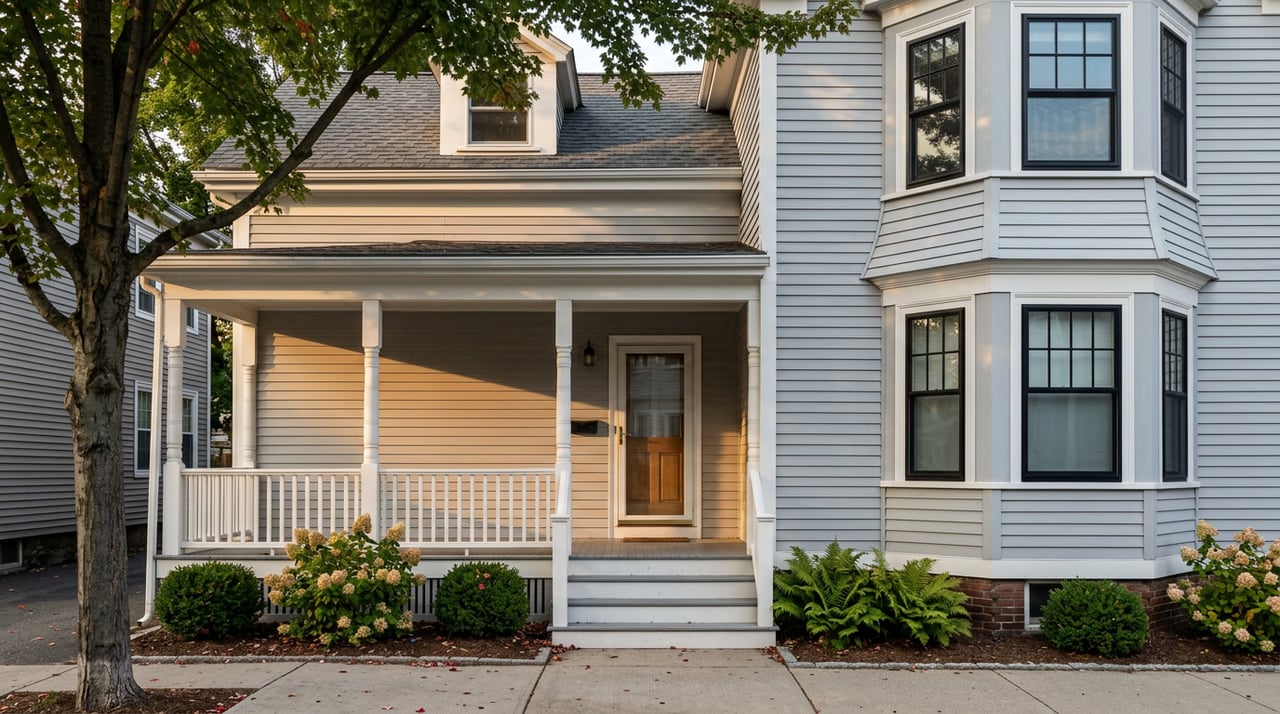
In practical terms, that often means you will see more condos, apartment houses, and converted two- and three-family homes close to places like Coolidge Corner, Brookline Village, and Washington Square. Detached houses generally become more common as you move farther from the commercial strips.
That pattern is helpful if you are trying to match lifestyle and property type. Buyers who want a walkable setup near shops and transit may find more attached or multifamily-style housing options, while buyers seeking more separation may look farther out from the village centers.
It is also worth knowing that Brookline housing can feel tight. The housing plan estimates 28,274 dwelling units townwide, with 95% occupied, plus low ownership and rental vacancy rates.
That helps explain why homes near the village centers can be competitive. The lifestyle appeal is strong, and supply can feel limited.
Parks and Green Space Balance the Density
One of the reasons Brookline’s village centers work so well is that dense, active streets are balanced by nearby open space. The town says Brookline has a substantial and diverse park system despite its urban character and proximity to Boston.
Near the village-center areas, that network includes Brookline Reservoir Park, Riverway, Coolidge Playground, Amory Playground, and Hall’s Pond Nature Sanctuary. These spaces give you places to walk, sit, exercise, or simply take a break from the pace of the commercial streets.
Brookline Reservoir Park is a standout resource. It is a 32-acre park surrounding a man-made body of water, with a walking path of about one mile.
Brookline Village also benefits from Riverway, an 8-acre landscaped section of the Emerald Necklace between Brookline Village and the Back Bay Fens. That green corridor adds a very different texture to the area and makes it easier to imagine a routine that includes both urban convenience and outdoor access.
Near Coolidge Corner, Coolidge Playground offers a playground, courts, splash pad, and trails. Amory Playground, next to Hall’s Pond Nature Sanctuary and Amory Woods, adds another neighborhood-scale outdoor option nearby.
Libraries and Third Places Matter Here
A big part of what makes a neighborhood livable is not just housing or commerce, but the presence of dependable third places. Brookline has that advantage.
The Public Library of Brookline says its branches are in Brookline Village, Coolidge Corner, and Putterham, and its strategic plan describes the library as a long-standing center of Brookline’s social and cultural life. For residents, that adds another layer of everyday usefulness beyond shops and restaurants.
Places like libraries, parks, theaters, and local gathering spots make village living feel fuller. They create reasons to stay local and make the area feel established and well used throughout the week.
Getting Around Without Going Far
Transit is one of the clearest benefits of living in Brookline’s village centers. The town says the Green Line is the best way to get to Brookline, with the C Line running through Beacon Street from St. Mary’s to Coolidge Corner and the D Line serving Brookline Village on its way to Reservoir Station.
The town also lists bus routes 51, 60, 65, and 66, with the 66 running through both Brookline Village and Coolidge Corner. That kind of overlap helps connect the villages to each other as well as to nearby parts of Boston and Cambridge.
Bluebikes stations in Brookline Village, Coolidge Corner, JFK Crossing, and Washington Square reinforce the short-trip nature of these areas. If you like the idea of car-light errands and flexible local movement, that is a meaningful part of the lifestyle.
Who Tends To Like Village-Center Living
Village-center living in Brookline can work well for a wide range of buyers. Some people are drawn to the convenience of having transit, dining, and services close by. Others like the architectural mix and the balance between neighborhood character and urban access.
It can be especially appealing if you want your home search to prioritize lifestyle as much as square footage. In Brookline, where inventory is often limited, that tradeoff matters.
The key is to be clear about what matters most to you. If walkability, local routines, and access to parks and transit are high on your list, the village centers may be where your search makes the most sense.
Why This Pattern Stands Out
Brookline’s village centers are best understood as a chain of compact, highly usable neighborhood hubs. They combine housing near mixed-use streets, practical errands within a short walk, access to parks and libraries, and direct transit connections into Greater Boston.
That is what makes living here feel distinct. You are not just choosing a home. You are choosing a daily pattern that can make life simpler, more connected, and more local.
If you are thinking about buying or selling in Brookline, it helps to look beyond the listing photos and understand how each village functions block by block. That is where local knowledge and a clear strategy make a real difference. To talk through Brookline neighborhoods, housing types, and how to position your move, reach out to John Maxfield.
FAQs
What is unique about Brookline’s village centers?
- Brookline is organized around compact neighborhood hubs rather than one large downtown, so places like Coolidge Corner, Brookline Village, and Washington Square function as everyday centers for errands, dining, transit, and community activity.
What types of homes are common near Brookline village centers?
- Housing near the village centers often includes condos, apartment houses, and converted two- and three-family homes, while detached houses generally become more common farther from the commercial areas.
What is it like to live near Coolidge Corner in Brookline?
- Living near Coolidge Corner often means easy access to restaurants, retail, local services, transit, and cultural destinations like the Coolidge Corner Theatre, all within a highly walkable setting.
What is it like to live near Brookline Village in Brookline?
- Brookline Village offers a mix of service businesses, community events, arts activity, transit access, and nearby green space, which gives it a practical but distinct neighborhood feel.
Is Brookline village-center living good for car-light households?
- Brookline’s village centers are well suited to car-light routines because they are connected by the Green Line, several bus routes, and Bluebikes stations, with many daily needs clustered nearby.
Why can Brookline village-center homes be hard to find?
- Brookline’s housing plan shows high occupancy and low vacancy rates townwide, which helps explain why homes near the village centers can feel competitive and limited in supply.