Trying to choose between a condo and a house in Brookline? You are not alone. In a town where price, transit access, maintenance, and privacy can vary a lot by property type, the right answer depends less on labels and more on how you want to live. This guide will help you compare costs, lifestyle tradeoffs, and practical questions so you can make a smarter decision in Brookline’s competitive market. Let’s dive in.
Why this choice matters in Brookline
Brookline is a compact town of about six square miles, surrounded by Boston on three sides. It offers strong transit access through the Green Line C, D, and B branches, plus bus 66 connecting places like Brookline Village and Coolidge Corner.
That local layout shapes the condo versus house decision in a big way. Many buyers are drawn to Brookline for walkability, access to commercial centers, and an easier connection to Boston, so condos and townhouses often get serious attention from buyers who value convenience.
Brookline is also expensive and competitive. As of March 2026, the median sale price was about $1.65 million, homes averaged around 19 days on market, and the typical home saw about two offers. That means your decision needs to balance both lifestyle and budget from the start.
Compare Brookline prices first
In Brookline, property type changes the budget conversation quickly. Recent market snapshots show condo median listing prices around $977,000, while townhouses are closer to $2.5 million.
Detached houses generally sit at the top of the market. Current listings range from about $1.4 million to well above $10 million, which helps explain why many buyers start by comparing a condo or townhouse with the cost of owning a standalone home.
Condos also cover a wide range. In current listings, prices run from about $365,000 to more than $3 million, so a condo can be an entry point or a luxury purchase depending on the building, location, and size.
Brookline price ranges by property type
| Property type | Current examples | General takeaway |
|---|---|---|
| Condo | About $365K to $3.2M | Broadest range, from entry-level to luxury |
| Townhouse | About $2.25M to $3.2M | Often a move-up option, not a budget alternative |
| Single-family house | About $1.4M to $10.985M | Highest privacy and control, usually highest price |
The key point is simple: a condo is not always the cheap option, and a townhouse is not always a middle-budget choice. In Brookline, you need to compare actual monthly cost and long-term fit, not just the property label.
Look beyond the purchase price
The list price is only part of the story. Your real decision should come from the monthly cost of ownership and how predictable that cost will feel over time.
Brookline’s FY2026 residential tax rate is $10.24 per $1,000 of assessed value. If you are buying a principal residence and qualify, the town’s residential exemption reduces assessed value by $354,974, which can make a meaningful difference in annual taxes.
For condos, your monthly payment usually includes mortgage principal and interest, property taxes, insurance, and HOA fees. HOA dues can range from a few hundred dollars per month to more than $1,000, and one current Brookline listing shows a $493 monthly HOA charge.
A house may not have HOA fees, but that does not mean it is automatically cheaper to carry. You may trade monthly association dues for more direct repair, exterior upkeep, landscaping, or snow-related costs depending on the property.
Monthly cost questions to ask
- What will the full monthly payment be after taxes, insurance, and any HOA fees?
- If this will be your primary residence, do you qualify for Brookline’s residential exemption?
- If you buy a house, are you ready for the cost of exterior repairs and routine upkeep?
- If you buy a condo or townhouse, how much of the maintenance burden is shared?
When a condo makes the most sense
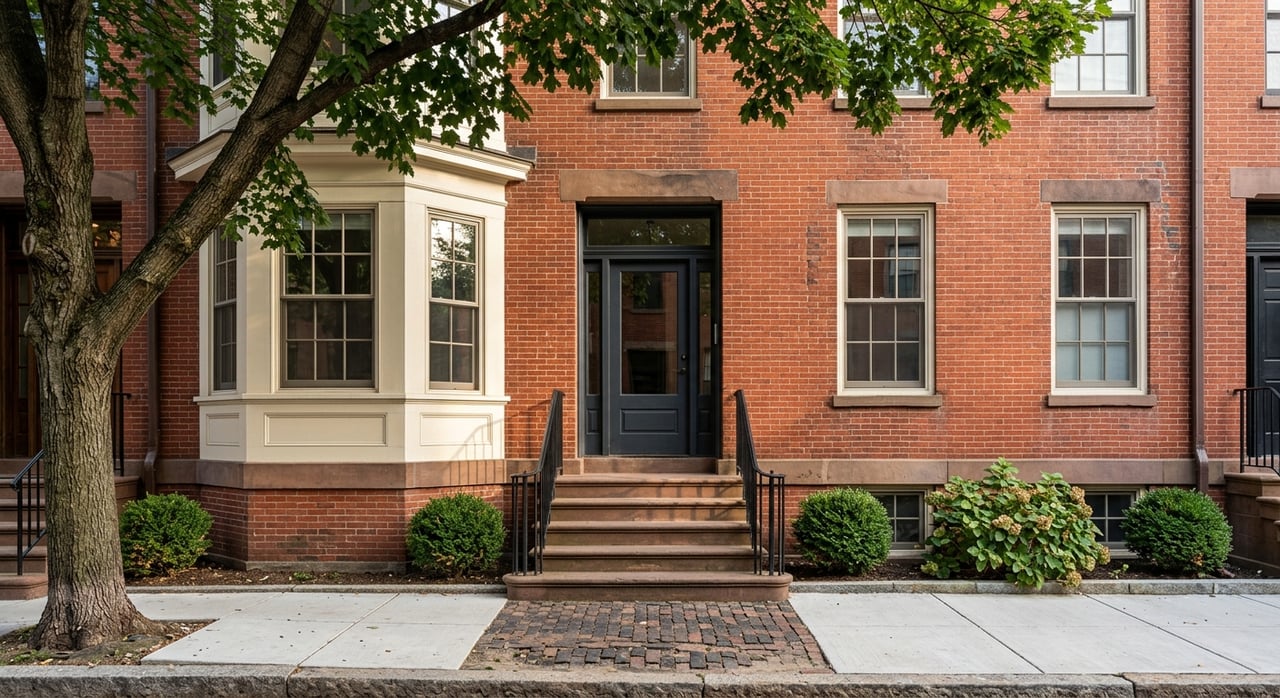
A condo often works best if you want a lower-maintenance lifestyle and a more predictable day-to-day ownership experience. In Brookline, that can be especially appealing if you want to stay close to places like Coolidge Corner, Brookline Village, Washington Square, or JFK Crossing, where walkability and transit access are major draws.
Condos usually offer the least privacy and the least direct control over the property as a whole. In exchange, you often get shared exterior maintenance, common-area management, and a structure that may feel easier to manage if your schedule is busy.
If your commute, lifestyle, or budget pushes you toward convenience, a condo can be a strong fit. That is often true for buyers who value being near transit and commercial areas more than having a yard or extensive renovation freedom.
Condo pros in Brookline
- Wider price range than many buyers expect
- Often well positioned for walkability and transit
- Shared maintenance can simplify day-to-day ownership
- Good fit if you value convenience and predictability
Condo tradeoffs to watch
- HOA fees can materially change your monthly cost
- Association rules may limit modifications
- Less privacy than a detached house
- Financing can depend on the project’s financial and physical condition
Why condo documents matter
If you are considering a condo, the building matters almost as much as the unit. Lenders may review the project’s physical condition, financial stability, insurance, and any pending litigation before approving financing.
That is why condo due diligence should go beyond finishes and floor plans. You will want to understand reserves, any special assessments, insurance coverage, and what the association allows or restricts.
In Massachusetts, condo associations usually cover the building and common areas, while unit owners need coverage for what the master policy does not cover. That makes insurance review an important part of your comparison.
Ask these condo questions
- Is the project eligible for your loan program?
- Are there any special assessments now or expected soon?
- How strong are the reserve funds?
- What does the master insurance policy cover?
- Are there rules on renovations or other unit changes?
When a house makes the most sense
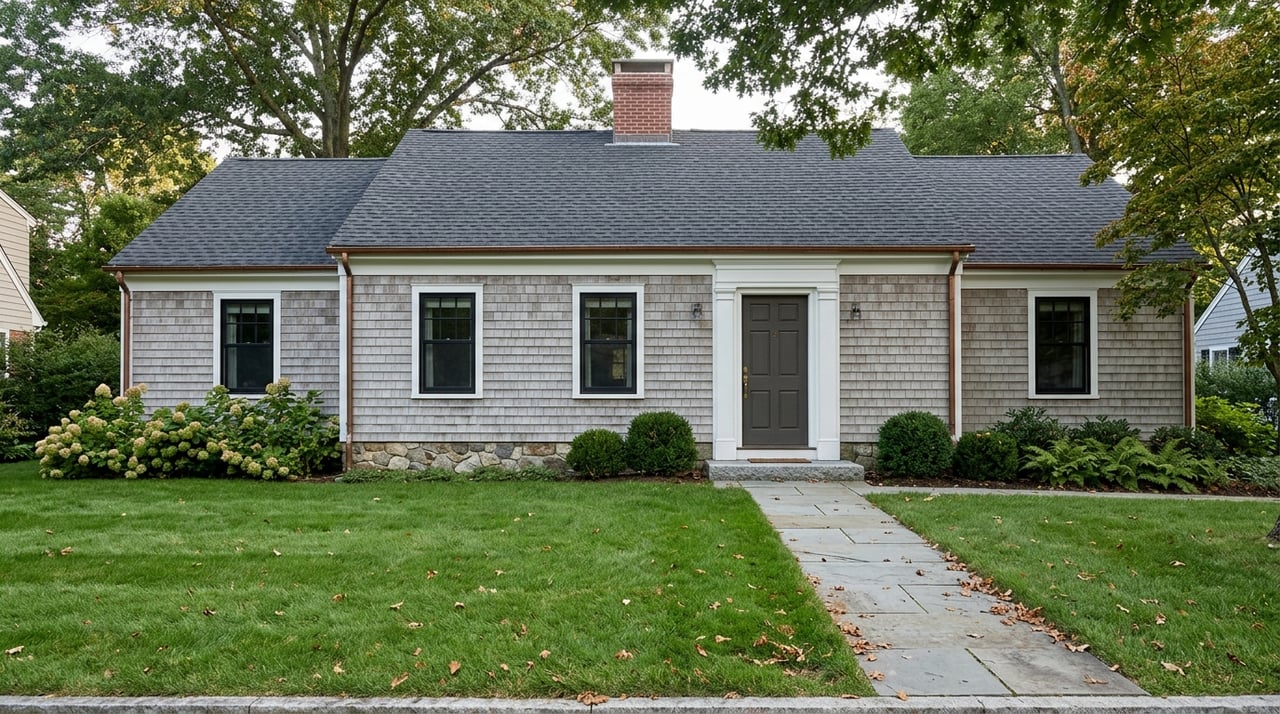
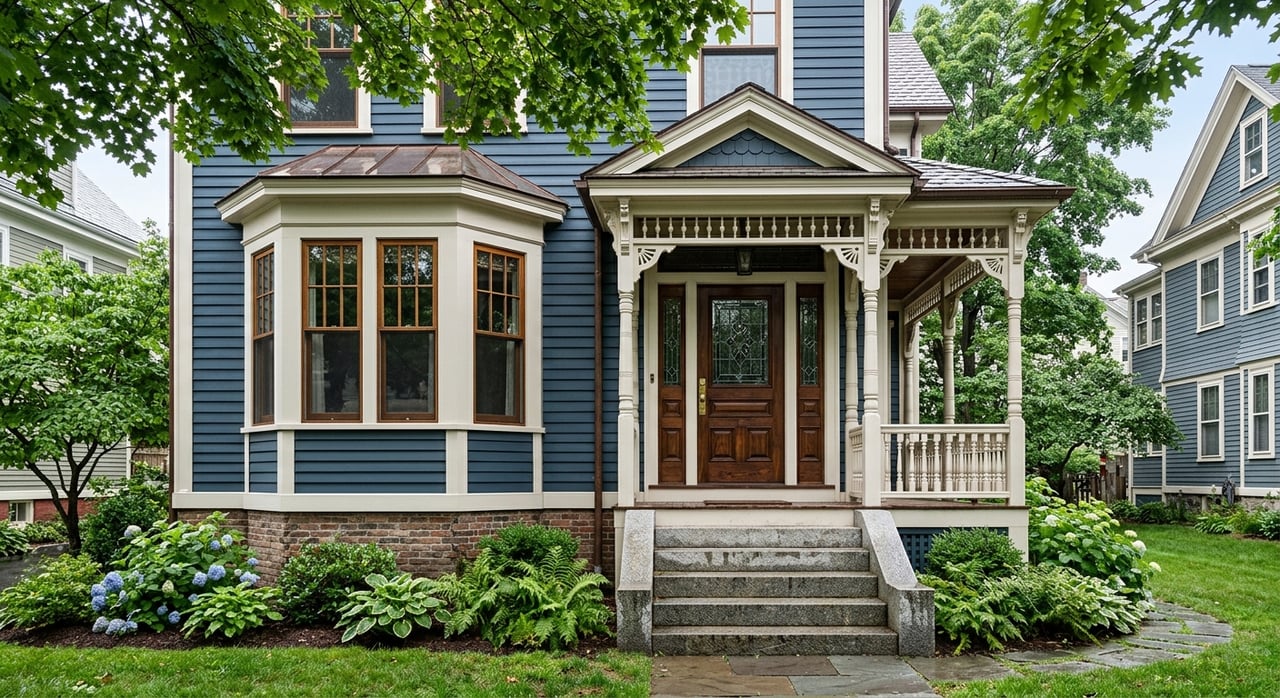
A detached house usually makes sense if you want the most privacy, more separation from neighbors, and greater renovation control. In Brookline, those benefits come at a premium because land is limited and the town’s compact geography keeps demand high.
If outdoor space matters to you, or if you want more freedom to shape the property over time, a house may be the better long-term fit. That can be true even if the monthly budget stretches more, especially if you are thinking five to ten years ahead.
The tradeoff is responsibility. With a house, you are generally taking on more direct maintenance, more repair decisions, and a higher entry price than many condos.
House advantages in Brookline
- More privacy and separation
- Greater control over renovations and updates
- Better potential for outdoor space
- A more traditional ownership structure
House tradeoffs to consider
- Higher purchase prices in most cases
- More maintenance responsibility
- Fewer options in some price bands
- Detached inventory can be limited and competitive
Where townhouses fit in
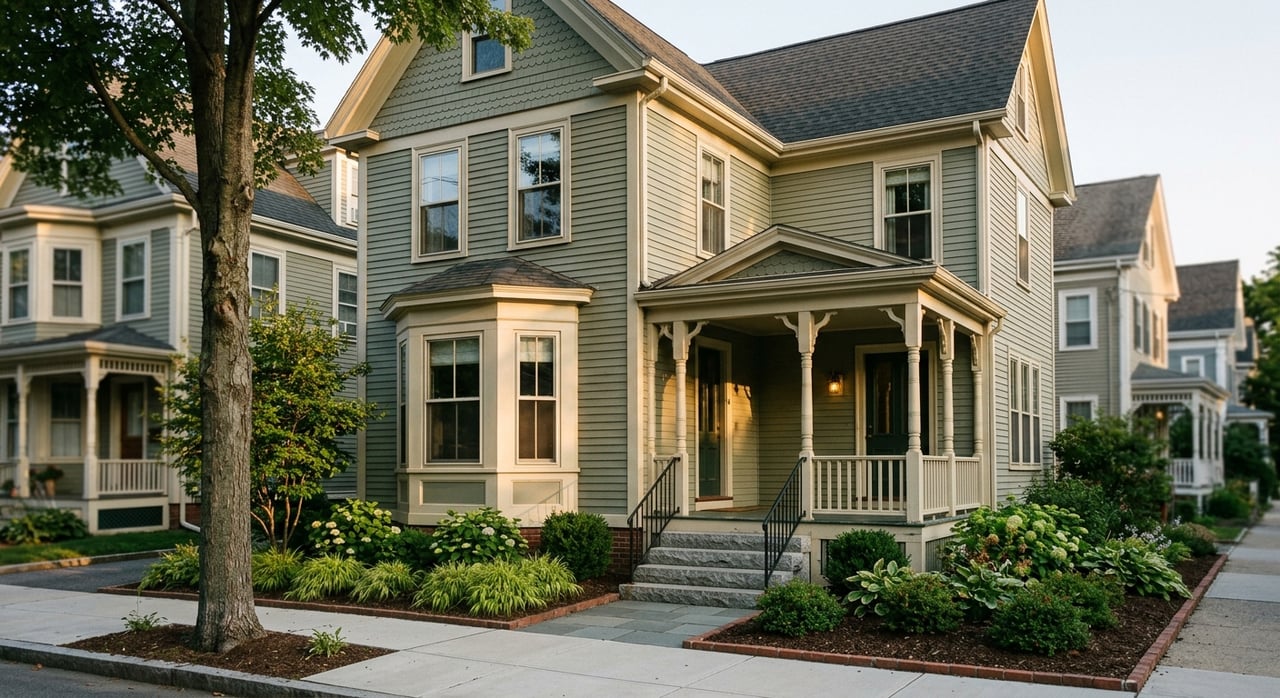
Townhouses are often the middle ground in theory, but in Brookline they are not always the middle ground on price. Current listings place many townhouse-style properties in the low- to mid-$2 million range, which is close to detached house pricing.
That means a Brookline townhouse is often a lifestyle choice rather than a lower-cost substitute for a house. You may get a more house-like layout and your own entrance, but you should not assume the ownership structure is simple or maintenance-light.
Some townhouse-style properties carry association fees and condo-style shared obligations. The deed and governing documents matter more than the label in the listing.
Match the property to your lifestyle
In Brookline, the best choice usually comes down to how you want to live over the next five to ten years. If you picture yourself prioritizing convenience, transit, and easier upkeep, a condo may align well with your goals.
If you want more privacy, outdoor space, and control, a house may justify the added cost. If you want something in between, a townhouse may fit, but only after you confirm how ownership and shared expenses actually work.
Neighborhood context matters too. Areas like Coolidge Corner and Brookline Village are especially compelling for buyers who want walkable condo or townhouse living with transit access into Boston and Longwood Medical.
A simple way to decide
If you are stuck, start with three questions.
First, what monthly payment feels comfortable after taxes, insurance, and any HOA fees? Second, how much privacy and flexibility do you really need? Third, how much maintenance do you want to handle yourself?
Those answers usually narrow the field quickly. In Brookline, the smartest decision is often the one that fits both your finances and your daily routine, not the one that sounds best on paper.
A strategic comparison can save you time, reduce stress, and help you avoid buying the wrong kind of property for your actual life. If you want help weighing condo fees against house upkeep, or comparing one Brookline opportunity against another, John Maxfield can help you think it through with a practical, numbers-driven approach.
FAQs
What is the main cost difference between a condo and a house in Brookline?
- In Brookline, condos often have a lower purchase price than houses, but you also need to factor in HOA fees, taxes, and insurance. Houses usually cost more upfront and often come with more direct maintenance expenses.
Are Brookline condos always more affordable than houses?
- No. Brookline condos range widely in price, from about $365,000 to more than $3 million in current listings, so some condos cost as much as or more than lower-priced houses.
Do Brookline townhouses usually have HOA fees?
- Some do. In Brookline, townhouse-style properties can still have association fees and shared obligations, so you need to review the deed and association documents rather than rely on the property label.
What should condo buyers review before buying in Brookline?
- You should review the association’s reserves, insurance, any special assessments, litigation issues, and whether the project is eligible for your loan program.
Does Brookline offer a residential tax exemption for owner-occupants?
- Yes. Brookline offers a residential exemption for qualified principal residences, and for FY2026 it reduces assessed value by $354,974 for eligible owners.
Which Brookline areas are especially appealing for condo living?
- Coolidge Corner and Brookline Village stand out for many buyers because they are major commercial centers with strong walkability and transit access.