If you are looking for a Boston neighborhood that balances green space, local business activity, and a strong sense of place, Jamaica Plain often rises to the top. Around Jamaica Pond and Centre Street, you get a daily rhythm shaped by parkland on one side and one of the neighborhood’s main commercial corridors on the other. This guide will help you understand how that balance plays out in real life, whether you are thinking about buying, selling, or simply getting to know the area better. Let’s dive in.
Jamaica Plain at a Glance
Jamaica Plain, often called JP, is one of Boston’s most dynamic neighborhoods. The area grew from a former summertime resort destination into a classic streetcar suburb, and that history still shows up in the way the neighborhood feels today.
Life here is organized around a few major landmarks and activity centers. Jamaica Pond, the Emerald Necklace, Centre Street, Hyde Square, Jackson Square, Sumner Hill, Centre South, and Forest Hills all help shape how people move through the neighborhood and how different blocks feel from one another.
Why the Pond and Centre Stand Out
One of the clearest ways to understand this part of JP is to look at the contrast between Jamaica Pond and Centre Street. The pondside edge feels more residential and park-oriented, while Centre Street serves as the active commercial spine.
That contrast is part of what makes the area so appealing. You can be close to open space, walking paths, and water views while still having everyday businesses, dining, and neighborhood services nearby.
Life Around Jamaica Pond
Jamaica Pond is the neighborhood’s signature open space. The City of Boston describes it as the largest and purest body of water in Boston, and it supports a wide range of activities throughout the year.
People come here for running, biking, fishing, rowing, sailing, concerts, theater, and children’s programs. In practical terms, that means the pond is not just scenery. It plays an active role in daily life and gives the surrounding area a calm, outdoor-oriented feel.
The pond is also part of the larger Emerald Necklace park system. That connection expands your access to green space and reinforces the sense that this part of JP is closely tied to the landscape, not just the street grid.
Green Space Extends Beyond the Pond
If you value access to the outdoors, Jamaica Plain offers more than one standout destination. The Arnold Arboretum is a 281-acre preserve that is free and open every day, giving residents another major open-space resource nearby.
The neighborhood also includes protected natural areas such as Allandale Woods, Bussey Brook, and Nira Rock. Together, these spaces help explain why JP feels greener and more park-linked than many other Boston neighborhoods.
Centre Street as the Neighborhood Hub
While the pond brings calm and recreation, Centre Street brings daily convenience and neighborhood energy. Boston Planning describes Centre Street as JP’s major retail street, and it has served as a commercial corridor since the 18th century.
Today, the corridor reflects a broad mix of businesses and uses. That variety gives Centre Street more of a neighborhood-center feel than a single-purpose shopping area.
For many people, this is one of the biggest lifestyle advantages of living nearby. You can enjoy a walkable routine with shops, food, coffee, and services woven into everyday life.
Food and Culture Along Centre
The food scene around Centre Street is one reason the area feels lively without feeling overly polished or generic. Current neighborhood coverage points to a broad mix that includes ramen, pho, seafood, ice cream, Mexican street food, Caribbean fusion, tapas, coffee bars, independent bookstores, and book-and-music spaces.
That range matters because it shows how the corridor functions. Instead of being known for one type of business, Centre Street supports different needs and tastes, which helps it remain useful to residents day to day.
Hyde Square and Jackson Square Add Another Layer
The nearby Hyde Square and Jackson Square area adds another important dimension to life in JP. The Latin Quarter Cultural District includes more than 125 businesses, with 65% identified by the City of Boston as immigrant-owned.
The district is intended to be a hub for Latin and Afro-Latin foods, goods, services, and art. For residents and visitors, that adds meaningful cultural depth to the broader Jamaica Plain experience and strengthens the neighborhood’s local identity.
Housing Around the Pond and Centre
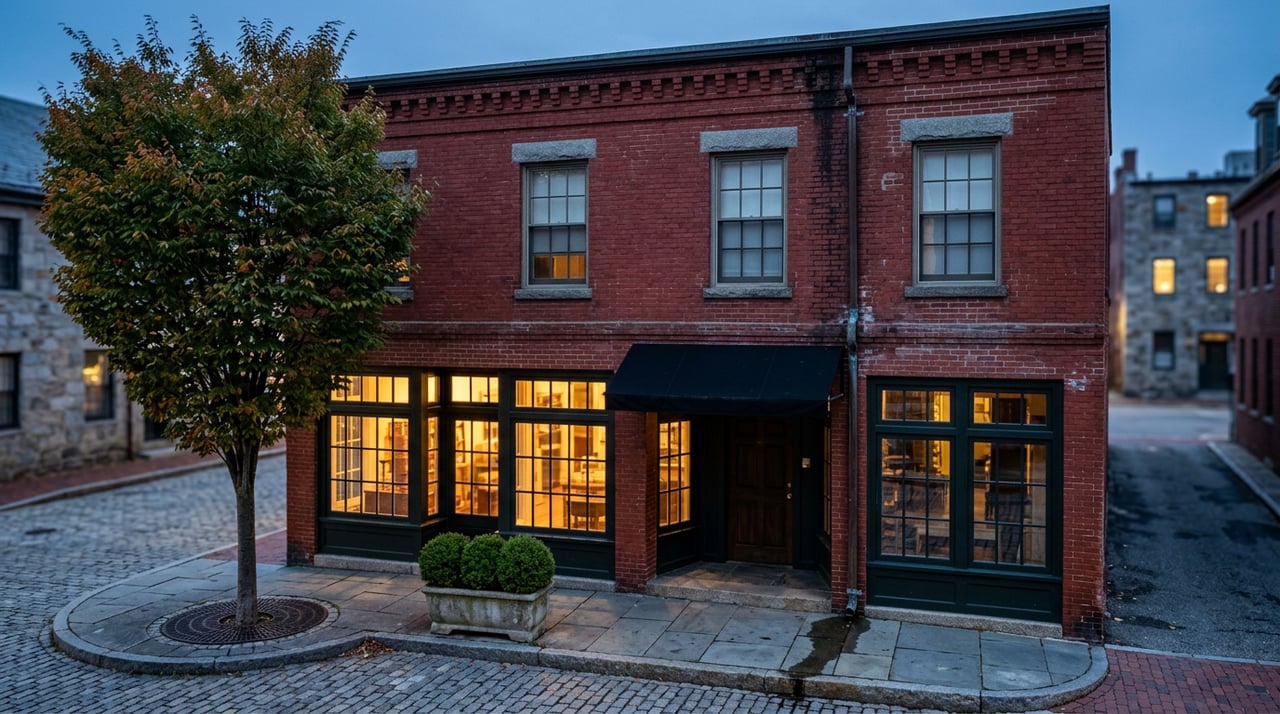
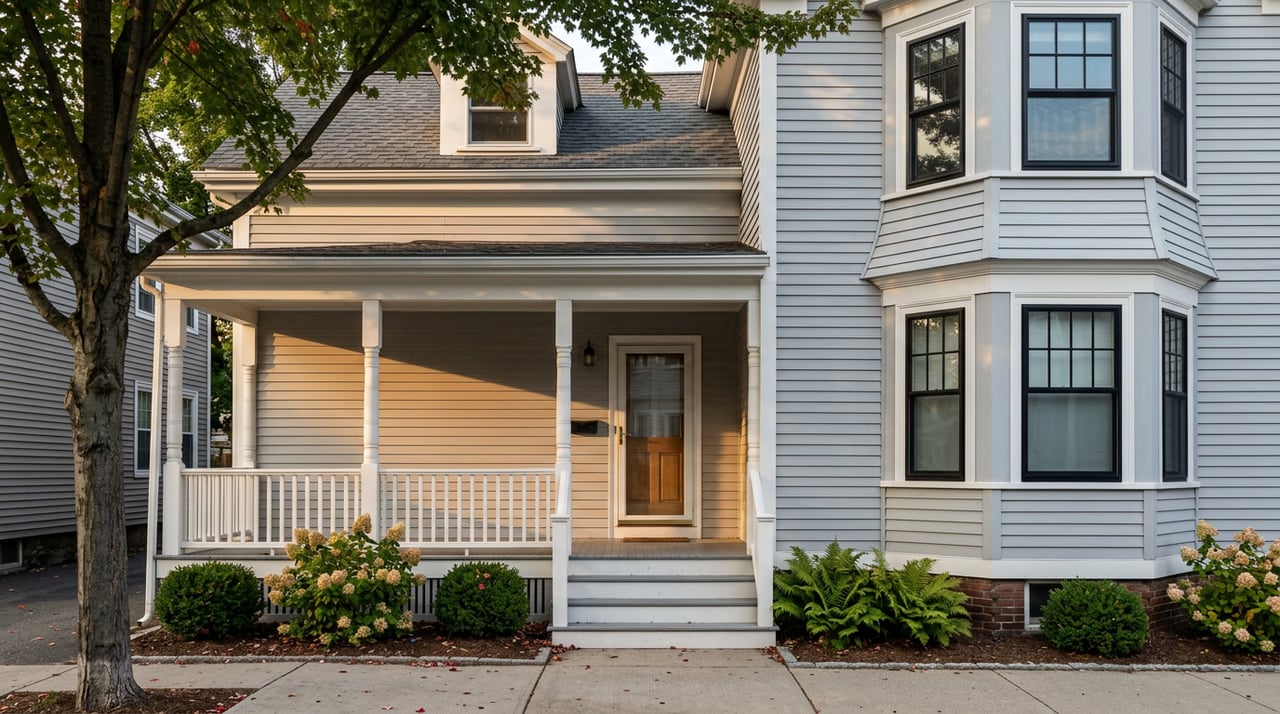
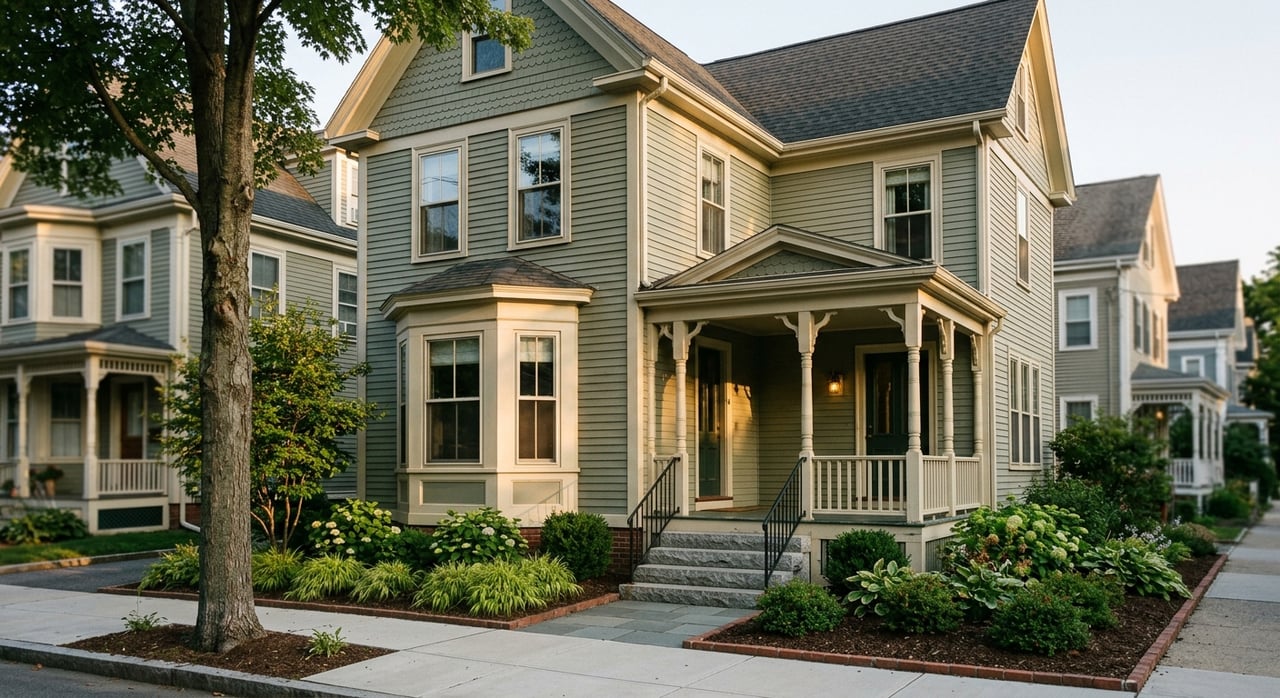
Jamaica Plain is often associated with triple-deckers, and that reputation is well earned. Boston Planning notes that JP’s residential streets are filled with these iconic buildings, but the housing stock is more varied than many first-time buyers expect.
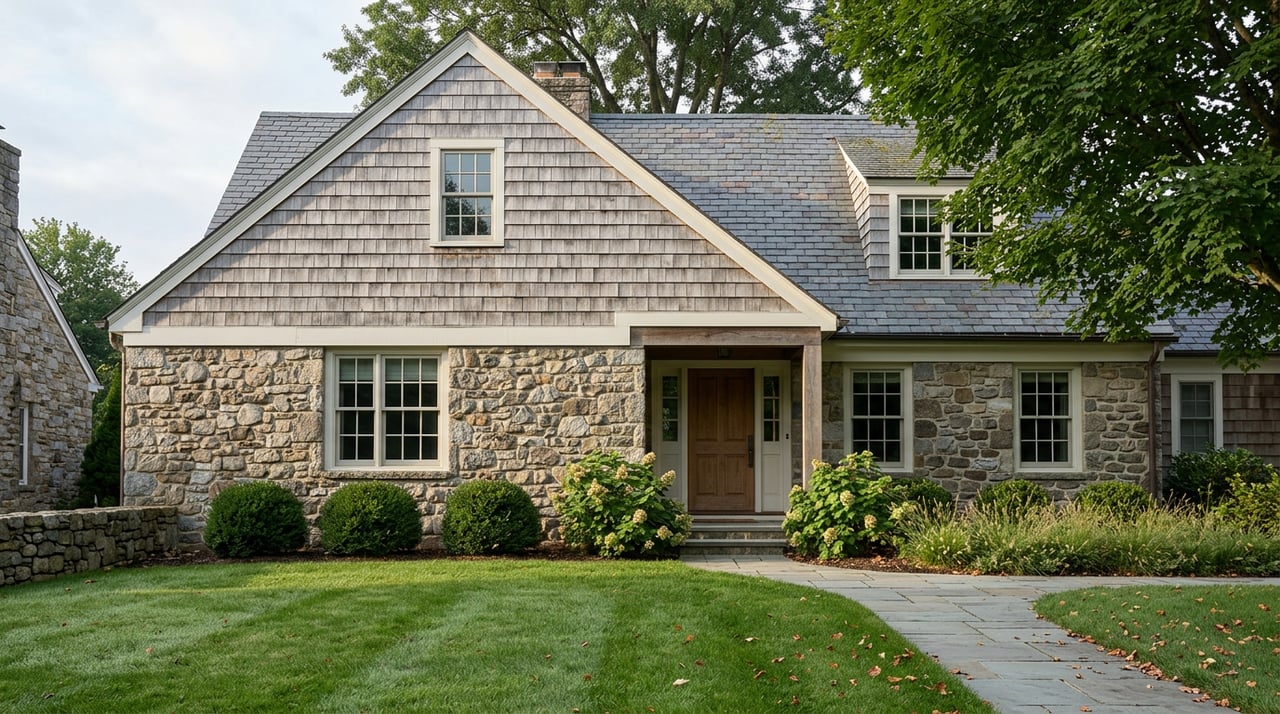
You will also find condominiums, detached two-family homes, and historically significant residences. That mix gives buyers and sellers a wider range of property types, price points, and ownership structures than a quick drive-through might suggest.
Historic Homes and Distinct Streetscapes
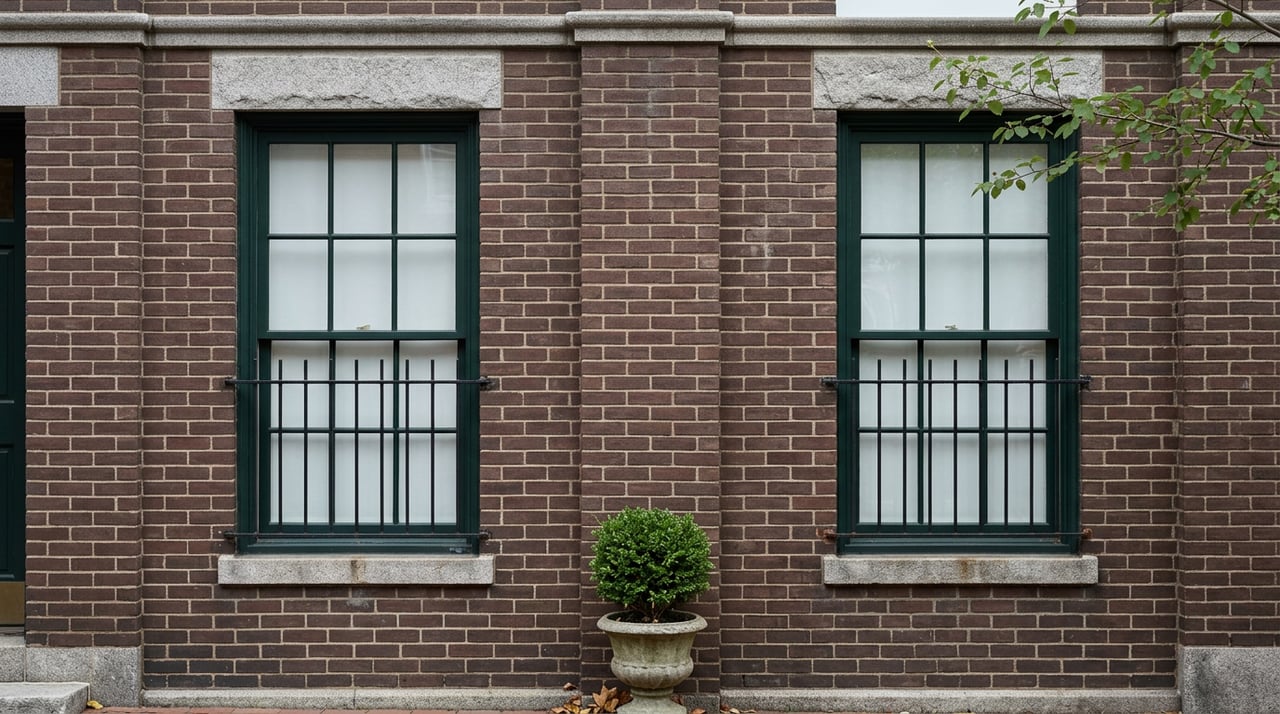
Parts of Jamaica Plain, especially around Sumner Hill and nearby streets, show the neighborhood’s older suburban roots. Historic materials describe Sumner Hill as a National Historic District with fine Victorian houses, and the Loring-Greenough House, built around 1760, shows just how old some of the local housing fabric can be.
Boston historic records also point to Italianate and Queen Anne influences in the area, along with detached two-family homes from the streetcar-suburb era. If you are buying in this part of JP, architectural character is often a real part of the value and decision-making process.
Ownership Mix and What It Means
Jamaica Plain sits in an interesting middle position within Boston’s housing landscape. According to BPDA and Census data from 2017 to 2021, the neighborhood had 18,871 housing units, with 96.0% occupied, 44.0% owner-occupied, and 56.0% renter-occupied.
That mix helps explain why JP often feels balanced. It is more residential and ownership-oriented than some of Boston’s more renter-heavy inner neighborhoods, while still feeling more urban and transit-connected than farther-out areas.
Condominiums are also a meaningful part of the local market. An older BPDA profile counted 4,535 condos in Jamaica Plain, with 73% owner-occupied, which helps explain why condo ownership remains an important path into the neighborhood.
Getting Around Jamaica Plain
JP stands out for mobility. The neighborhood is accessible by MBTA trains and buses, with Forest Hills serving as the main transit hub, and the Orange Line and the #39 bus providing important connections through the area.
For people who bike, Jamaica Plain is especially notable. BPDA reports that 6% of residents commute by bicycle, the highest share in Boston, and recent city transportation work on Boylston Street and Eliot Street improved bike connections between the Southwest Corridor, Centre Street, and the Emerald Necklace.
For daily life, that means you are not relying on one mode of transportation. Walking, transit, and biking all play a meaningful role here.
Arts and Community Life
Jamaica Plain’s cultural life is shaped more by community institutions than by major venues. That gives the area a local, lived-in character that many residents value.
The Footlight Club is the country’s oldest community theater. The Eliot School offers classes in woodworking, sewing, fiber arts, drawing, photography, printmaking, upholstery, and furniture restoration, while the Loring-Greenough House hosts concerts and exhibitions.
Public events also add to the neighborhood atmosphere. Open Streets on Centre Street brings together live music, food trucks, local art, and an active public realm that reflects the neighborhood’s civic energy.
How JP Compares Within Boston
If you are choosing between Boston neighborhoods, Jamaica Plain often appeals to people who want a middle ground. It tends to feel greener and more residential than places like Back Bay or the South End, while offering more urban texture and transit access than areas such as Roslindale or West Roxbury.
That position is part of JP’s strength. You get older housing stock, significant green space, village-style retail, and a neighborhood culture that feels locally rooted rather than built mainly around visitors.
What Buyers and Sellers Should Notice
If you are buying around the Pond and Centre, pay attention to how block-by-block location changes the living experience. Proximity to Jamaica Pond may shape your routine around outdoor access and quieter residential streets, while a location closer to Centre Street may bring more convenience and activity.
If you are selling, that same distinction matters when positioning a home. Buyers often respond not just to square footage or finishes, but to how a property connects to the pond, Centre Street, transit, and the neighborhood’s historic character.
In a place like Jamaica Plain, pricing and presentation work best when they reflect the specifics of the micro-location. That is especially true in a neighborhood with varied housing types, architectural history, and different lifestyle patterns from one section to the next.
If you want help understanding how a specific property fits into the Jamaica Plain market, John Maxfield brings a strategic, financially grounded approach to buying and selling across Boston’s most nuanced neighborhoods.
FAQs
What is life like near Jamaica Pond in Jamaica Plain?
- Life near Jamaica Pond tends to feel more residential and park-oriented, with easy access to running, biking, sailing, fishing, and other outdoor activities.
What is Centre Street like in Jamaica Plain?
- Centre Street is Jamaica Plain’s main commercial corridor, known for its mix of shops, restaurants, coffee spots, and neighborhood services.
What types of homes are common in Jamaica Plain?
- Jamaica Plain includes triple-deckers, condominiums, detached two-family homes, and older historic residences, especially in areas like Sumner Hill.
Is Jamaica Plain good for transit and biking?
- Jamaica Plain has strong transit and bike access, including Orange Line stations, bus routes such as the #39, Forest Hills as a major hub, and one of Boston’s highest bike commuting shares.
How does Jamaica Plain compare with other Boston neighborhoods?
- Jamaica Plain often feels greener and more residential than some inner Boston neighborhoods, while still offering more urban activity and transit access than some farther-out areas.
Why do buyers consider Jamaica Plain around the Pond and Centre?
- Buyers are often drawn to the area’s mix of open space, walkable retail, varied housing stock, architectural character, and strong neighborhood identity.