If you have outgrown your condo or townhouse but do not want to leave Boston behind, West Roxbury deserves a close look. Many move-up buyers want more space, a yard, and a calmer daily rhythm without giving up access to the city. That is exactly where this neighborhood stands out. Here is why West Roxbury works for buyers who want a practical next step inside Boston.
West Roxbury offers more room to grow
For many Boston buyers, the move-up search starts with one simple goal: more space. West Roxbury has a housing pattern that fits that goal better than many denser city neighborhoods.
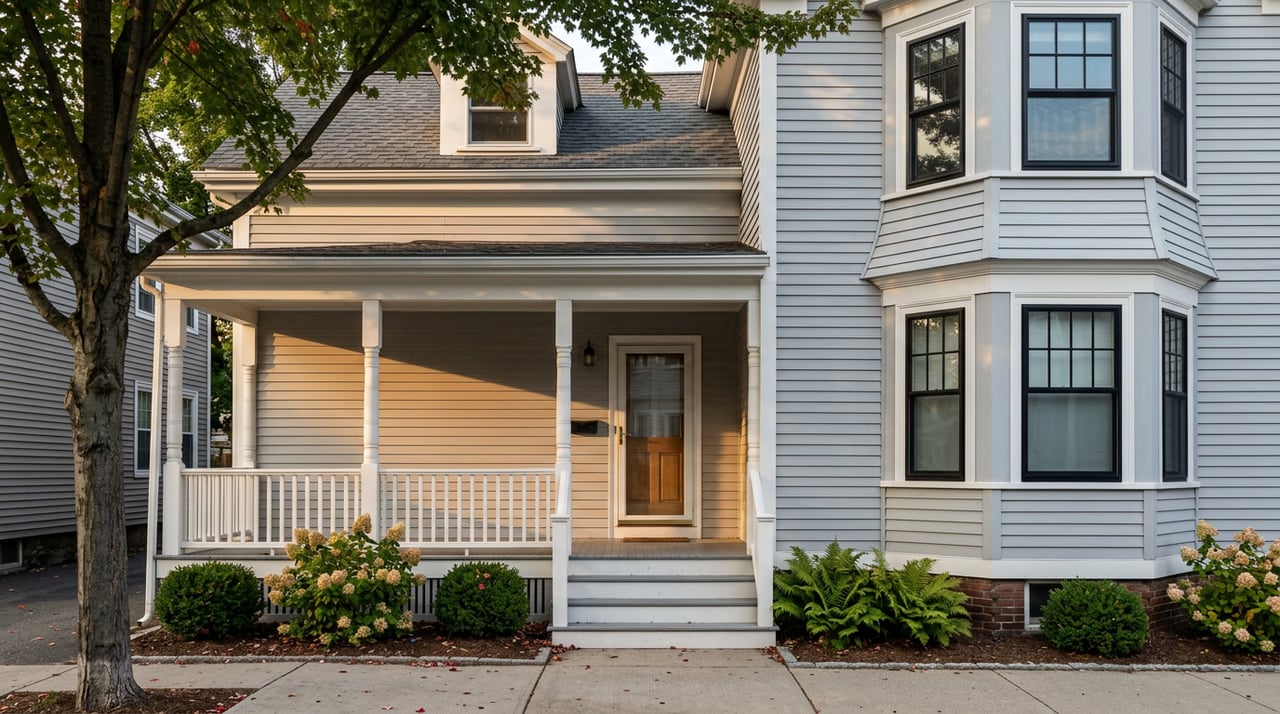
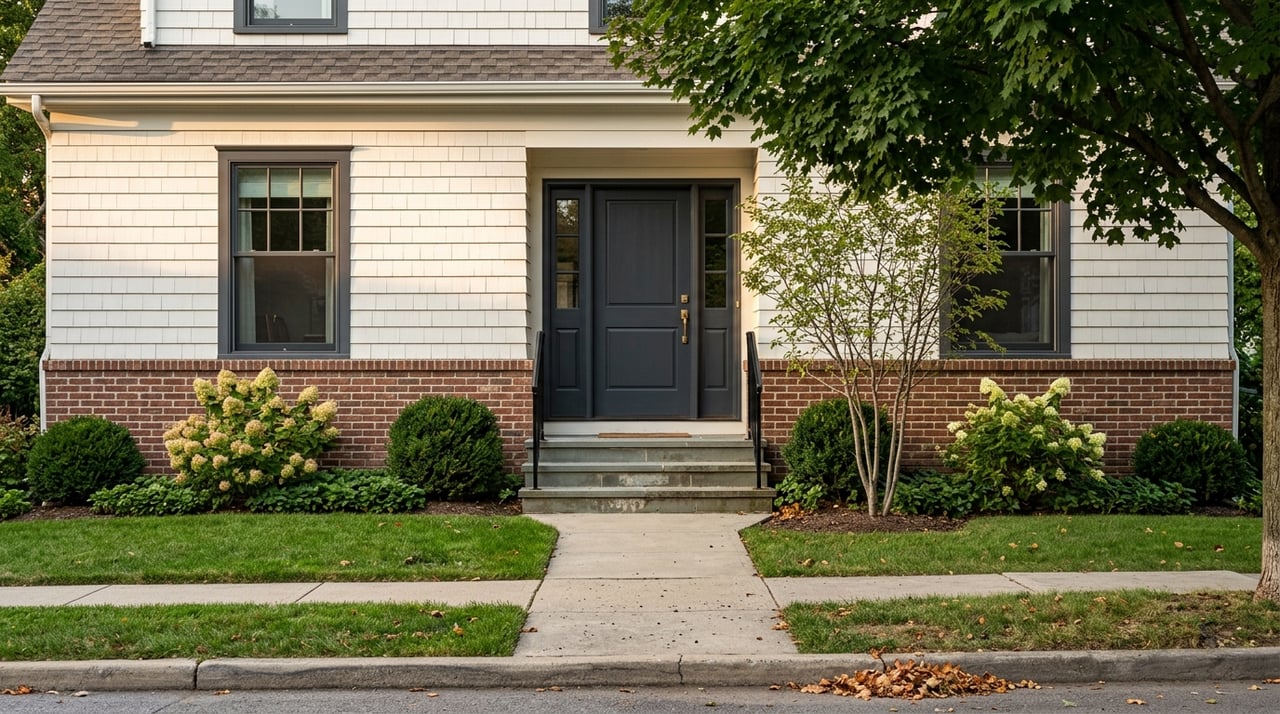
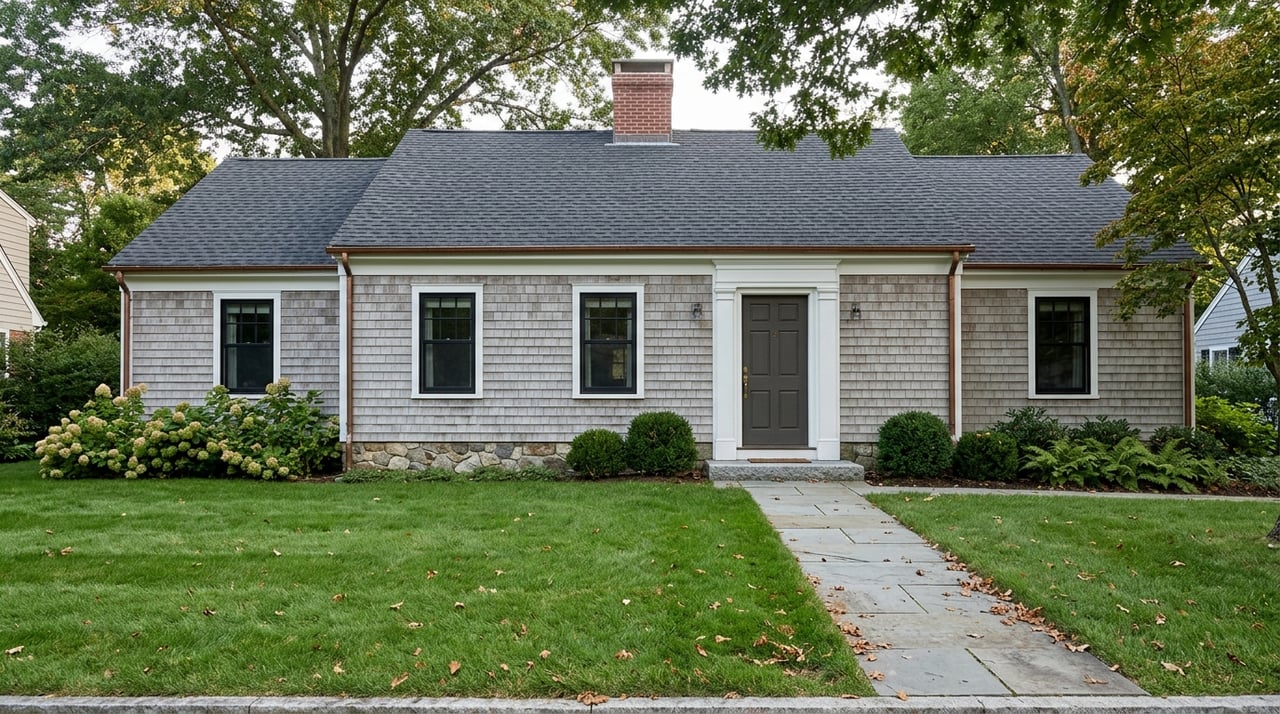
A City of Boston assessing profile recorded West Roxbury housing as 83.4% single-family, 12.7% two-family, and 1.3% three-family. That means nearly all 1 to 3 family properties in the neighborhood fall into low-rise formats. If you are moving from a smaller condo, that can open the door to homes with more rooms, more separation of space, and a different day-to-day feel.
Boston Planning also found that West Roxbury’s median single-family lot size is 5,663 square feet, compared with a city median of 4,899 square feet. The same land-use analysis found West Roxbury among the neighborhoods with the largest median two-family and three-family lots as well. In practical terms, that often means more yard area, more setback, and less density than closer-in parts of Boston.
West Roxbury keeps you in Boston
One of the biggest reasons buyers focus on West Roxbury is that it can feel more residential without requiring a full suburban move. Boston Planning describes the neighborhood as a suburban neighborhood in an urban setting, with tree-lined streets and single-family homes.
That combination matters when you want a little more breathing room but still want a Boston address. You are not making a clean break from the city. You are choosing a neighborhood that offers a different housing pattern and pace while staying within Boston.
West Roxbury also has a strong ownership profile. Boston Planning data listed 14,070 total housing units in the neighborhood and a 62.0% owner-occupancy rate. That rate is notably above Jamaica Plain at 41.0%, Back Bay at 31.0%, and Beacon Hill at 31.7% in the same dataset.
The open space is a real advantage
Space inside the home matters, but space around it matters too. West Roxbury has one of the strongest open-space profiles in Boston.
Boston Planning says the neighborhood has nearly 1,200 acres of open space, the most in the city. For buyers used to tighter city blocks, that can be a major quality-of-life upgrade.
Millennium Park adds 100 acres of trails and a canoe launch. Stony Brook Reservation borders the neighborhood and offers 12 miles of hiking trails, along with fishing and swimming at Turtle Pond. If your next move is about creating more room for daily walks, outdoor time, and a less compressed feel, West Roxbury checks an important box.
Centre Street supports everyday living
Move-up buyers are often looking for more than square footage. They are looking for a neighborhood that works well on ordinary weekdays, not just on paper.
In West Roxbury, Centre Street serves as the main commercial district with restaurants, shops, and banks. Boston Planning also notes neighborhood tenants such as VA Boston Healthcare System and Sugar Bakery. The amenity mix is more village-scale than downtown-scale, which is part of the appeal for many buyers.
That does not mean constant activity on every block. It means your day-to-day needs can be handled locally while the neighborhood keeps a more grounded, residential feel.
Transit is workable, but know the tradeoff
West Roxbury works best when you go in with clear expectations. It offers city access, but it is not as transit-dense as Boston’s closer-in core.
Boston Planning says residents can reach Downtown Boston via the Needham Line commuter rail and MBTA buses. The City of Boston’s Southwest Boston Transit Action Plan identifies West Roxbury and Highland as Needham Line stops, with bus routes 34, 35, 36, and 37 connecting riders to Forest Hills.
At the same time, the same transit plan shows that 18% of West Roxbury commuters walk, bike, or take transit to work, and one in ten households do not have access to a vehicle. That points to a neighborhood with real transit options, but one that is generally more car-oriented than central Boston.
For some move-up buyers, that is an easy trade. If your priority is larger homes, bigger lots, and stronger access to open space, the transportation mix may feel like a reasonable compromise.
Pricing is not bargain Boston
It is important to understand where West Roxbury sits in the market. This is not a deep-discount neighborhood, and buyers should not approach it with that expectation.
Zillow’s late-April 2026 data put West Roxbury’s typical home value at $804,965. In the same data, Boston overall was about $793,154, and Jamaica Plain was $806,794. That places West Roxbury roughly in line with Boston and Jamaica Plain rather than far below them.
This is helpful for move-up buyers because it frames the neighborhood correctly. You are not necessarily buying into a cheaper market. You are often paying for a different kind of housing stock and a different living pattern.
West Roxbury compares well to premium core areas
Where West Roxbury can look especially compelling is when buyers compare it with premium close-in neighborhoods. Zillow’s typical home values showed Brookline at $1,262,793, Back Bay at $1,344,570, South End at $1,083,959, Beacon Hill at $1,070,536, and Bay Village at $1,252,005.
Against those price points, West Roxbury comes in about 24% to 40% lower. For a buyer trying to move into a larger home without pushing into the highest pricing tiers near the urban core, that gap matters.
This is one reason West Roxbury often feels like a strategic move-up option. You may be able to redirect your budget toward more interior space, more lot area, and a more residential setting while staying inside Boston.
The market can still move quickly
West Roxbury may offer a calmer setting, but buyers should not confuse that with a slow market. According to Zillow’s late-April 2026 data, homes in West Roxbury were going pending in around 8 days, compared with around 16 days for Boston overall.
That tells you two things. First, the neighborhood has real demand. Second, if the right property comes on the market, you need to be ready to act.
This is where a strategy-led approach matters. When you are moving up, the decision is rarely just about liking a house. It is also about evaluating value, timing, and how the purchase fits your broader financial picture.
Why West Roxbury fits move-up buyers
For many buyers, West Roxbury hits a useful middle ground. It offers more of what people often want after outgrowing smaller-city living, but it does so without requiring a move far beyond Boston.
The neighborhood’s strongest advantages are clear:
- A housing stock dominated by single-family and other low-rise homes
- Lot sizes that run above the city median for single-family properties
- Strong owner-occupancy compared with several close-in Boston neighborhoods
- Significant open space, including Millennium Park and Stony Brook Reservation
- Commuter rail and bus access that still connects you to the city
The main tradeoff is just as clear. West Roxbury is less transit-dense and more car-oriented than central Boston neighborhoods. For many move-up buyers, that is an acceptable trade if the payoff is more space and a more residential environment.
A smart move-up decision starts with context
The best neighborhood choice is not about chasing a label or a trend. It is about understanding what you gain, what you give up, and how a location fits your next stage of life.
West Roxbury tends to make sense for Boston buyers who want more room, more outdoor access, and a practical path forward within the city. If you are weighing that move, the details matter. Pricing, property type, lot size, and block-by-block differences all shape whether a specific home is truly the right step up for you.
If you want help evaluating West Roxbury with a clear, numbers-driven lens, John Maxfield can help you compare options and move with confidence.
FAQs
Why is West Roxbury appealing for move-up Boston buyers?
- West Roxbury appeals to move-up buyers because it offers more low-rise housing, larger typical lot sizes, strong open-space access, and workable city connections while keeping you within Boston.
How expensive is West Roxbury compared with other Boston neighborhoods?
- Late-April 2026 Zillow data showed West Roxbury at a typical home value of $804,965, which is roughly in line with Boston overall and Jamaica Plain, but below premium areas like Back Bay, Beacon Hill, South End, Brookline, and Bay Village.
What kinds of homes are common in West Roxbury?
- A City of Boston assessing profile found that West Roxbury housing is primarily single-family, with 83.4% single-family homes, plus smaller shares of two-family and three-family properties.
Does West Roxbury have good transit options for Boston commuters?
- West Roxbury has commuter rail access on the Needham Line at West Roxbury and Highland, along with bus routes 34, 35, 36, and 37, though it is generally more car-oriented than central Boston neighborhoods.
What outdoor space does West Roxbury offer residents?
- Boston Planning says West Roxbury has nearly 1,200 acres of open space, including Millennium Park and Stony Brook Reservation, which offers 12 miles of hiking trails plus fishing and swimming at Turtle Pond.